

police-sri-lanka

Police Crackdowns and Court Actions Highlight Law Enforcement Efforts Across Sri Lanka

Colombo — Law enforcement agencies in Sri Lanka continue to carry out a range of crime prevention operations and legal proceedings this month, with multiple arrests and court orders reflecting ongoing efforts to uphold public safety and the rule of law.

Nationwide Police Operation

Sri Lanka Police conducted a major island-wide operation on December 24, 2025, resulting in the arrest of 597 individuals suspected of involvement in various criminal activities, including drug-related offences, illegal alcohol, and outstanding warrants. Police also checked nearly 30,000 people and took action against traffic offences such as drunk driving and reckless behaviour. Authorities said the operation aims to strengthen law and order and prevent organised crime ahead of the holiday period. (LNW Lanka News Web)

Narcotics Seizure and Detentions

In a separate operation led by the Police Narcotics Bureau (PNB), a large cache of illegal drugs was seized from a multi-day fishing vessel off the southern coast of Sri Lanka. The haul included significant quantities of heroin and crystal methamphetamine (ice). Seven suspects were ordered into seven-day detention by the Hulftsdorp Magistrate’s Court as further investigations continue into how the narcotics were brought into Sri Lankan waters. (LNW Lanka News Web)

Arrest of Police Officer for Bribery

The Commission to Investigate Allegations of Bribery or Corruption (CIABOC) arrested the Officer-in-Charge (OIC) of the Crimes Division at Gampaha Police Station over alleged bribery. The arrest followed a complaint by a local businessman who accused the OIC of demanding and accepting money in exchange for dropping legal action in a theft case. This legal action reflects enforcement of anti-corruption laws within law enforcement ranks. (onlanka.com)

Court Proceedings: Firearm Custody Case

In Kalutara, a former senior police inspector — the Kalutara Headquarters Inspector (HQI) — was granted bail by the Chief Magistrate in connection with a case involving the improper handover of a firearm that was supposed to be in police custody. The suspect surrendered to court after reportedly evading police for some time, and legal proceedings will continue as the investigation progresses. (Hiru News)

Investigation into Delay in Arrests

In Colombo, the Chief Magistrate questioned officers of the Criminal Investigation Department (CID) over delays in arresting suspects linked to a financial fraud case involving alleged investment scams. The court ordered the CID to arrest eight of the identified suspects immediately, raising concerns about timely action in high-value fraud investigations. (Ceylon Today)

Public Impact

These ongoing police actions and legal proceedings have a direct effect on public confidence and safety. Routine crackdowns on criminal activity — from drugs to traffic violations — aim to reduce crimes that affect daily life, particularly in urban areas. Meanwhile, high-profile cases involving law enforcement officials and complex fraud probes highlight the justice system’s effort to hold individuals accountable regardless of status. Swift and transparent legal action in such cases can help strengthen trust in institutions and deter future wrongdoing.

Authorities have emphasised that these efforts are part of regular and sustained measures to enforce the law and ensure communities feel safer throughout the country.
591417690_4019066971582323_9101923509153789100_n

Sri Lanka’s Shortcomings in Disaster Management and the Way Forward

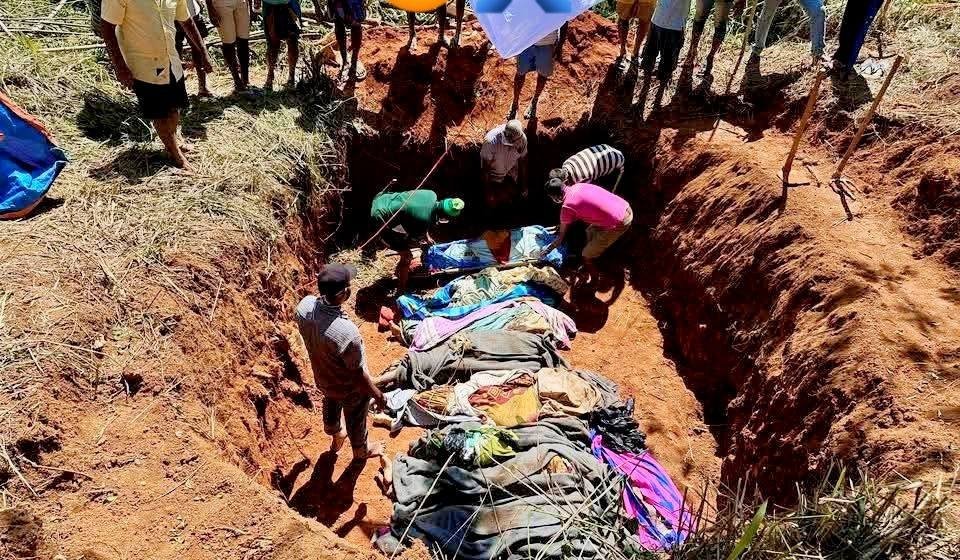
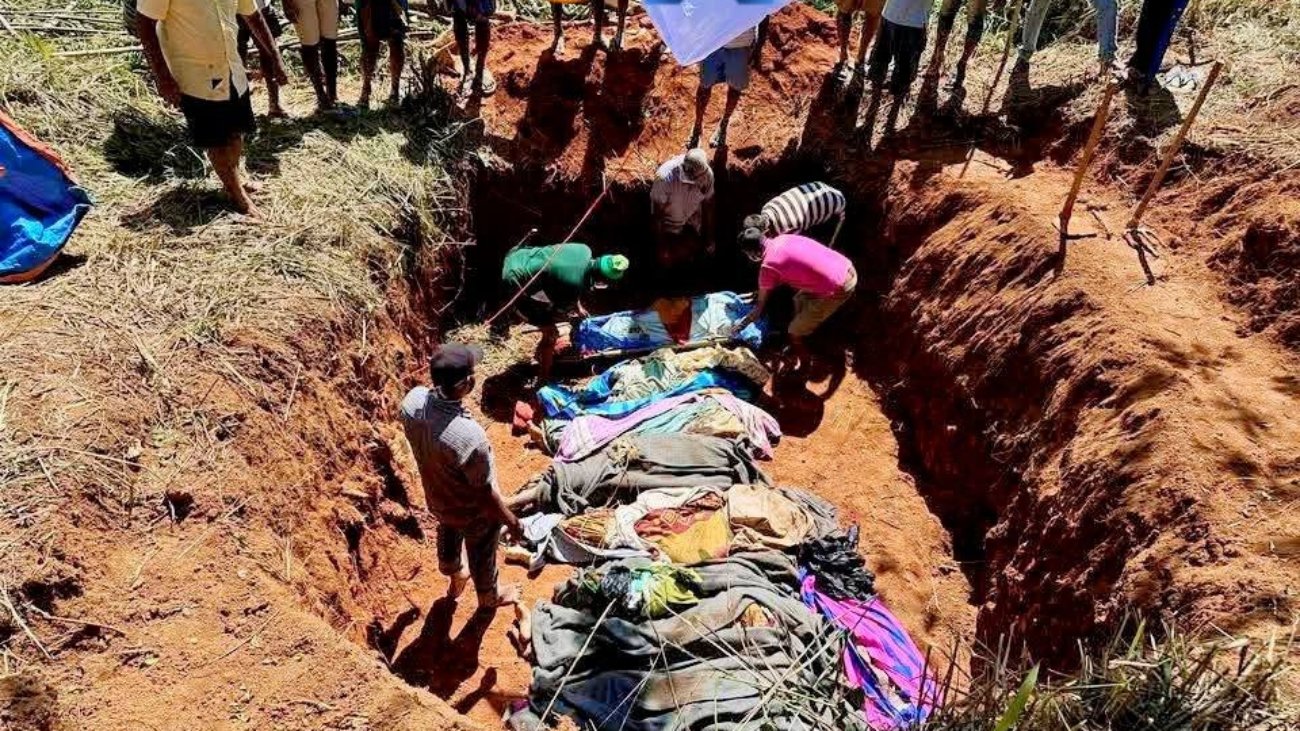
Sri Lanka has faced multiple natural disasters in recent years, including floods, cyclones, fires, and landslides. Unfortunately, during these events, gaps in political, economic, and community-level disaster management have magnified the suffering experienced by citizens.

Critical aspects such as preparedness, proactive planning, and effective coordination were insufficient, reducing the country’s ability to respond efficiently. Disruptions in transportation, hospitals, electricity, and water supply during disasters have placed enormous hardships on affected communities.

This failure has been evident during recent floods and cyclones, where residents were forced to evacuate their homes but faced limited access to safe routes, temporary shelters, and basic relief supplies.

Looking forward, Sri Lanka must fully utilize available resources, authority, and public engagement to implement comprehensive disaster management. Long-term investments in drainage systems, river and watershed management, resilient infrastructure, and effective internal communication networks are essential to prepare for future crises.

Collaboration between government agencies, economic institutions, and community organizations is crucial to safeguard public safety and maintain economic stability. Learning from past failures and coordinating actions with citizens is a fundamental step in minimizing loss of life and property during disasters.

Conclusion: Sri Lanka’s priority should be learning from past shortcomings, implementing proactive planning, and taking efficient action to protect its population from future natural disasters.

sri lanka flood

Sri Lanka Moves to Strengthen Flood Response Ahead of Northeast Monsoon

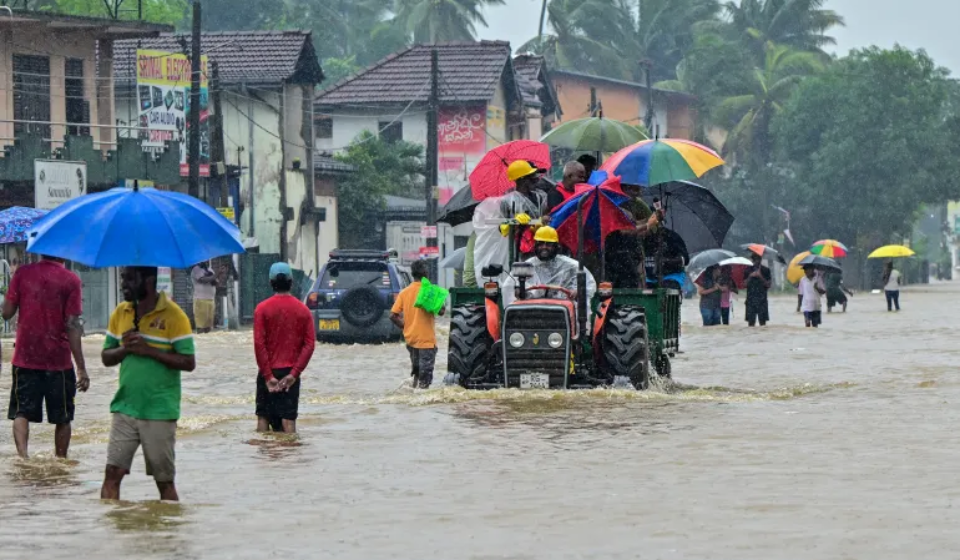
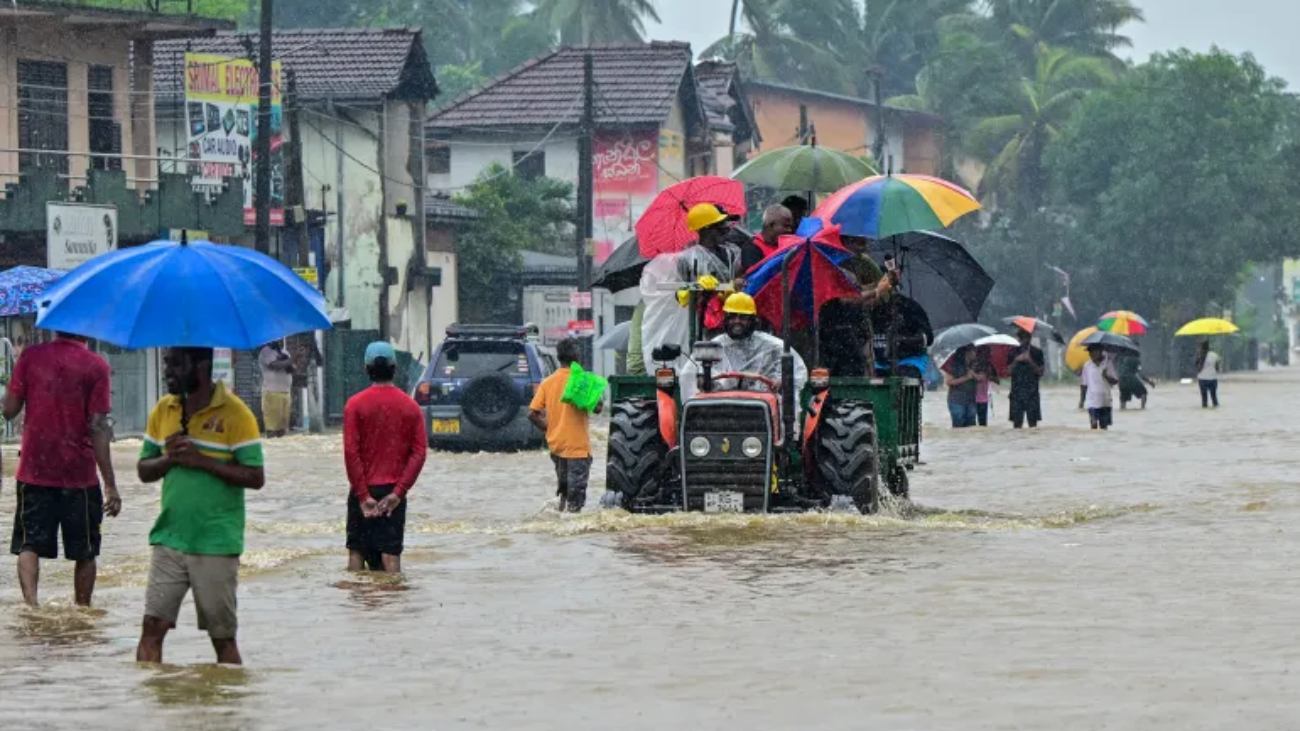
Sri Lanka’s disaster management authorities have intensified preparedness measures as the northeast monsoon continues to affect several parts of the island, raising concerns over potential flooding and landslides. Officials stated that enhanced coordination is underway among district secretariats, emergency services, and security forces to ensure a rapid response if conditions worsen.

The Disaster Management Centre confirmed that flood-prone districts in the Northern, Eastern, North Central, and Central provinces are under close monitoring. Temporary shelters have been readied in schools and community halls, while stocks of dry rations, drinking water, and essential medical supplies have been pre-positioned. The Meteorology Department has forecast intermittent heavy rainfall, warning residents in low-lying and hilly areas to remain vigilant.

Government representatives highlighted that lessons learned from previous flood events have informed current planning, focusing on faster evacuation and improved communication at the community level. Military and police units remain on standby to assist civil authorities in rescue and relief operations.

Opposition lawmakers have questioned whether preparedness efforts are sufficient, pointing to recurring losses caused by seasonal disasters. They emphasized the need for long-term investments in drainage systems, river management, and climate-resilient infrastructure to mitigate future risks.

Economists warned that repeated flood damage places added strain on public finances and disproportionately affects rural livelihoods, particularly in agriculture. Farmers expressed concern over potential crop losses if water levels continue to rise.

Authorities urged the public to follow official advisories, avoid travel in high-risk areas, and report emergencies through designated hotlines, emphasizing that public cooperation is essential to minimize loss of life and property during the monsoon season.

sri lanka parliment

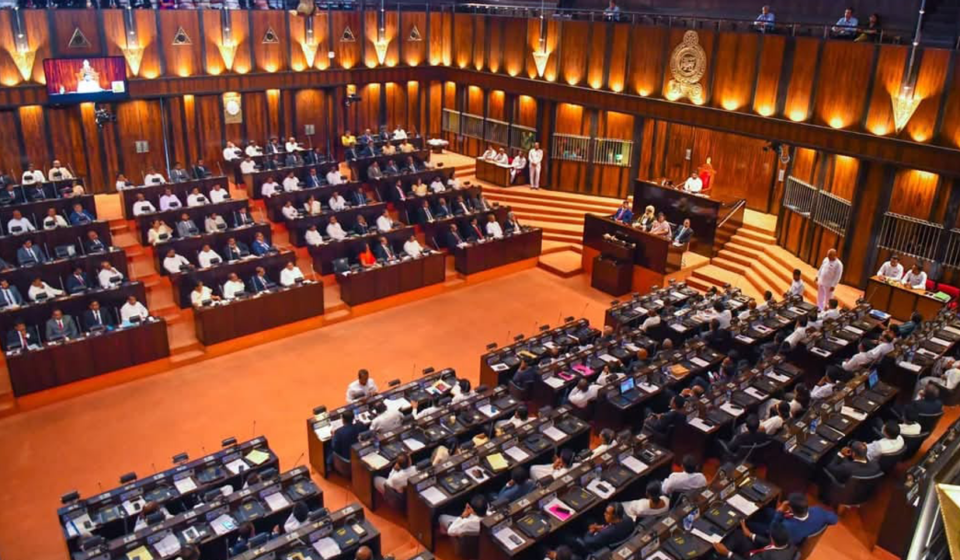
Sri Lanka Parliament Debates Fuel Pricing Amid Cost-of-Living Pressures

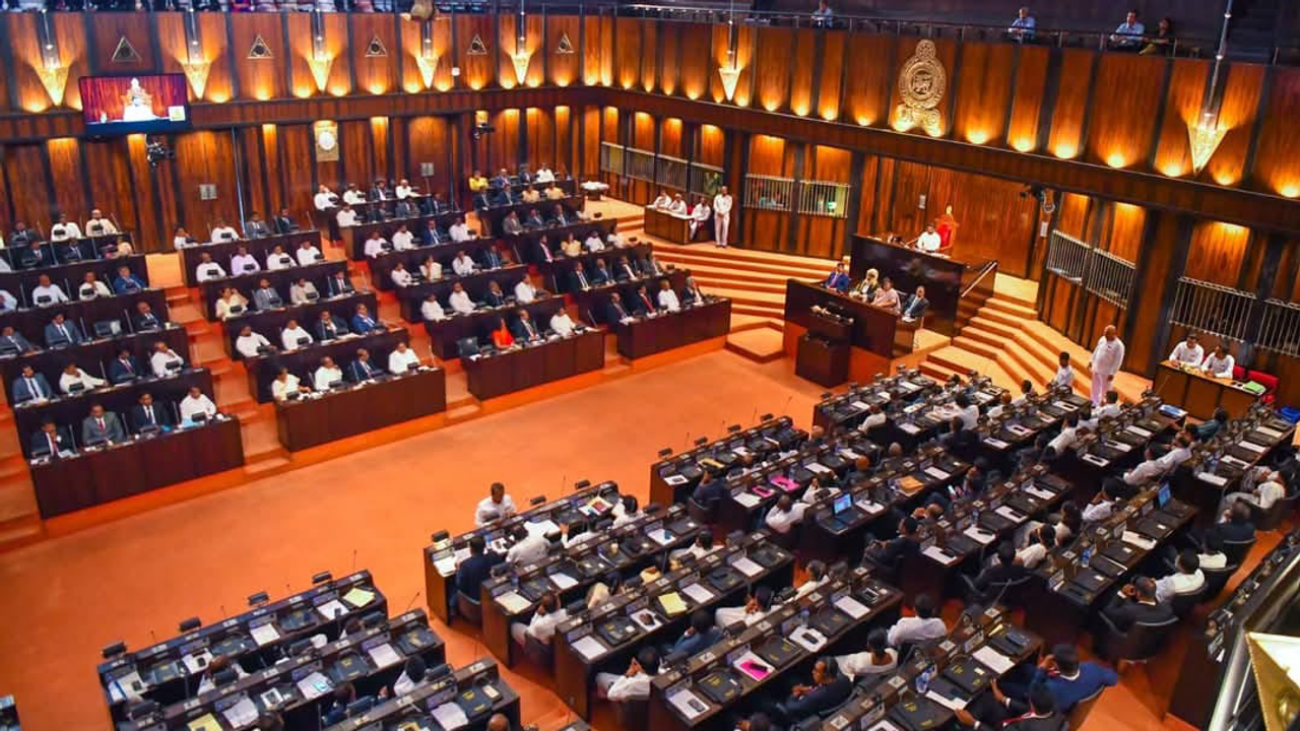
Sri Lanka’s Parliament witnessed a heated debate this week as lawmakers discussed fuel pricing policies amid persistent cost-of-living pressures affecting households and businesses. Government members defended the current fuel pricing formula, emphasizing that it is necessary to prevent further financial losses at state-owned energy institutions.

Finance officials highlighted that global oil price volatility, combined with limited foreign exchange reserves, leaves little room for broad fuel subsidies. They stressed that maintaining uninterrupted fuel supplies is critical for economic stability, transportation services, and overall market confidence.

Opposition MPs argued that frequent price revisions disproportionately impact low- and middle-income earners, calling for targeted relief measures. Suggestions included temporary concessions for public transport operators and essential service providers to ease the financial burden on commuters.

Transport unions warned that continued fuel price increases could lead to higher bus and taxi fares, directly affecting daily travel costs. Meanwhile, business chambers expressed concerns that rising fuel expenses could push up production and distribution costs, potentially slowing the country’s economic recovery.

Analysts note that while the pricing formula supports fiscal discipline, it must be complemented by social protection mechanisms to mitigate hardships for vulnerable populations. Government officials indicated plans to expand alternative energy initiatives and improve energy efficiency to reduce long-term dependence on imported fuel.

Public reaction remains mixed, with citizens urging policymakers to balance fiscal responsibility with affordability as Sri Lanka navigates ongoing economic recovery challenges.

south asia

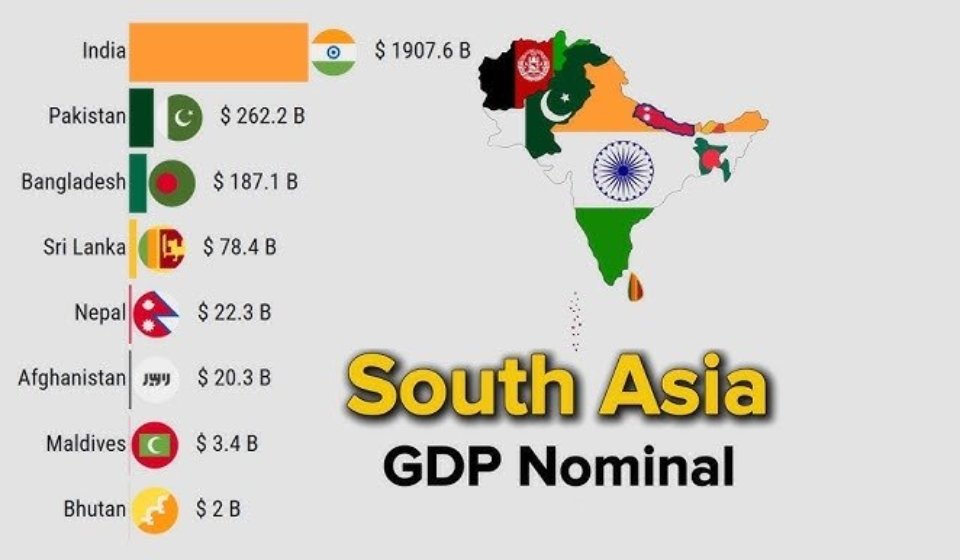
Regional Trade Talks Highlight South Asia’s Economic Recovery Path

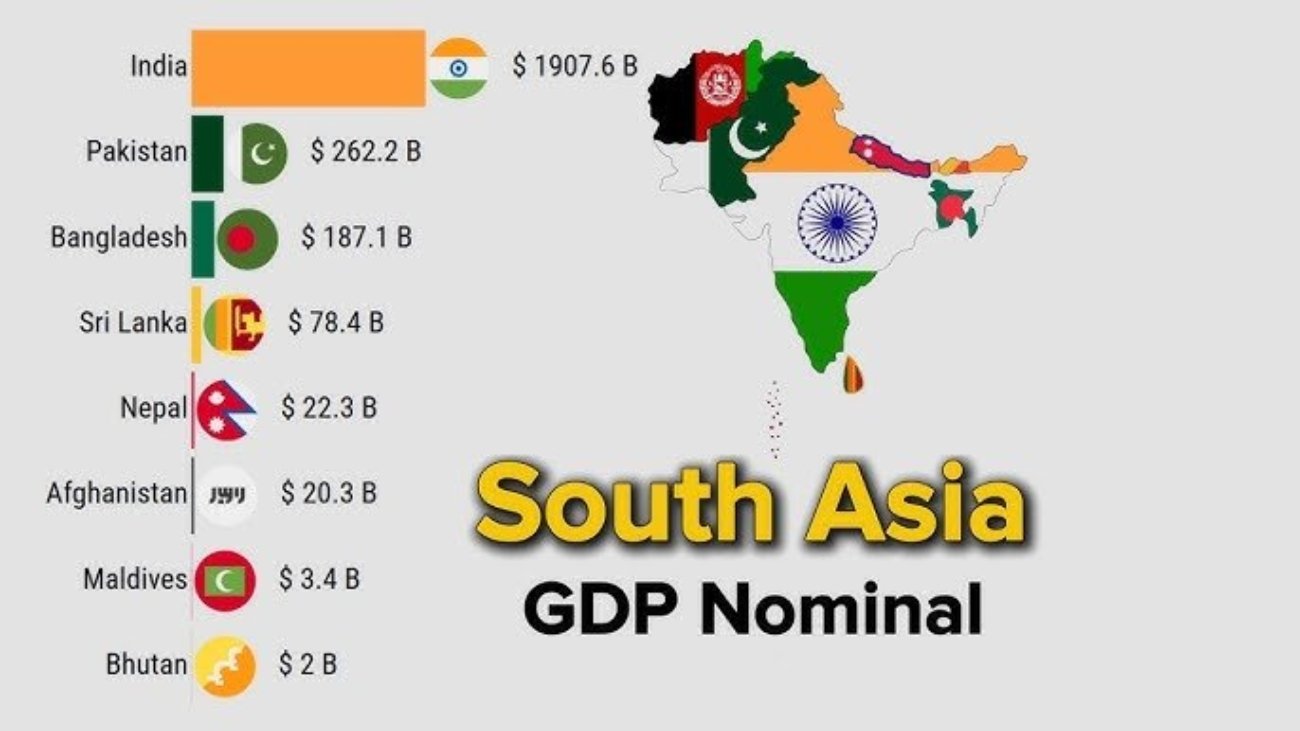
Economic policymakers from across South Asia have emphasized the importance of regional trade cooperation as countries work toward sustainable post-crisis economic recovery. During recent discussions, officials highlighted reducing trade barriers, enhancing logistics connectivity, and streamlining customs processes as critical steps to bolster intra-regional commerce.

Speakers noted that despite geographic proximity and shared markets, intra-regional trade remains well below potential. Simplified customs procedures, harmonized standards, and the adoption of digital trade platforms were identified as achievable short-term goals that could enhance efficiency and reduce transaction costs.

Sri Lankan representatives stressed the need for export diversification, particularly in agriculture, apparel, and value-added manufacturing, to strengthen resilience against fluctuations in global demand. Other countries echoed similar concerns, citing uncertainty in traditional Western markets and the need to tap regional opportunities to sustain growth.

Economists believe that stronger regional integration could help South Asian economies withstand external shocks, support small and medium enterprises (SMEs), and generate employment opportunities. They also noted that coordinated policies and investment in infrastructure could unlock the region’s trade potential and facilitate long-term economic stability.

Looking ahead, continued collaboration among South Asian nations, coupled with targeted policy reforms and investment in trade facilitation, is expected to play a key role in shaping the region’s economic recovery trajectory and fostering inclusive growth across the subcontinent.

asian leaders

Asian Nations Call for Calm Amid Rising Regional Security Tensions

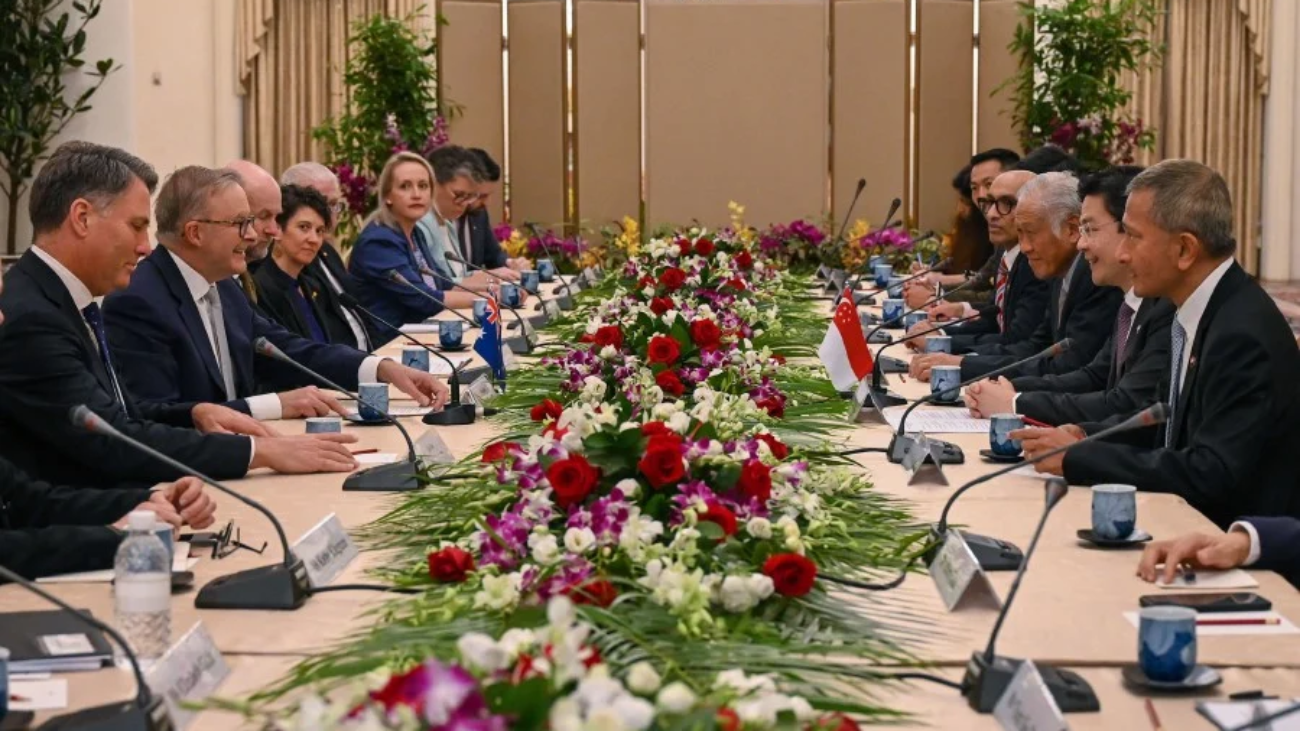
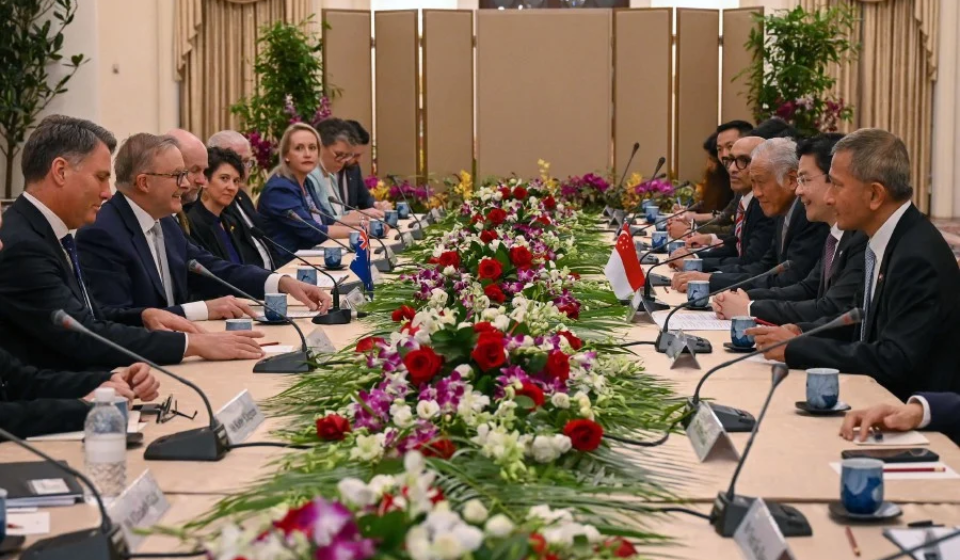
Several Asian governments have issued calls for calm and restraint following renewed regional security tensions, which have raised concerns across diplomatic and economic circles. Official statements from multiple capitals emphasized the importance of dialogue, peaceful engagement, and adherence to international norms to prevent further escalation.

Diplomatic sources reported that recent developments prompted urgent consultations through bilateral channels as well as regional forums. Governments stressed that miscalculations or aggressive posturing could have long-term consequences for regional stability, trade, and economic development. Analysts note that Asia’s highly interconnected economies are particularly vulnerable to prolonged security uncertainty.

Regional experts warned that rising tensions could weaken investor confidence and disrupt ongoing cooperation initiatives in areas such as trade, infrastructure, and energy security. Several countries highlighted the need to strengthen confidence-building measures and maintain open communication lines between defense and foreign ministries.

Observers also pointed out that regional institutions play a critical role in de-escalation, providing platforms for dialogue, mediation, and coordinated responses. Calls were made to utilize existing mechanisms rather than unilateral actions that could further complicate the situation.

Governments reiterated their commitment to peaceful coexistence and encouraged all parties to exercise restraint. Analysts emphasize that sustained diplomatic engagement, trust-building, and transparent communication will be essential to preserve stability and support Asia’s continued economic growth and cooperation.

climate change

Global Leaders Reaffirm Climate Commitments Ahead of New Year

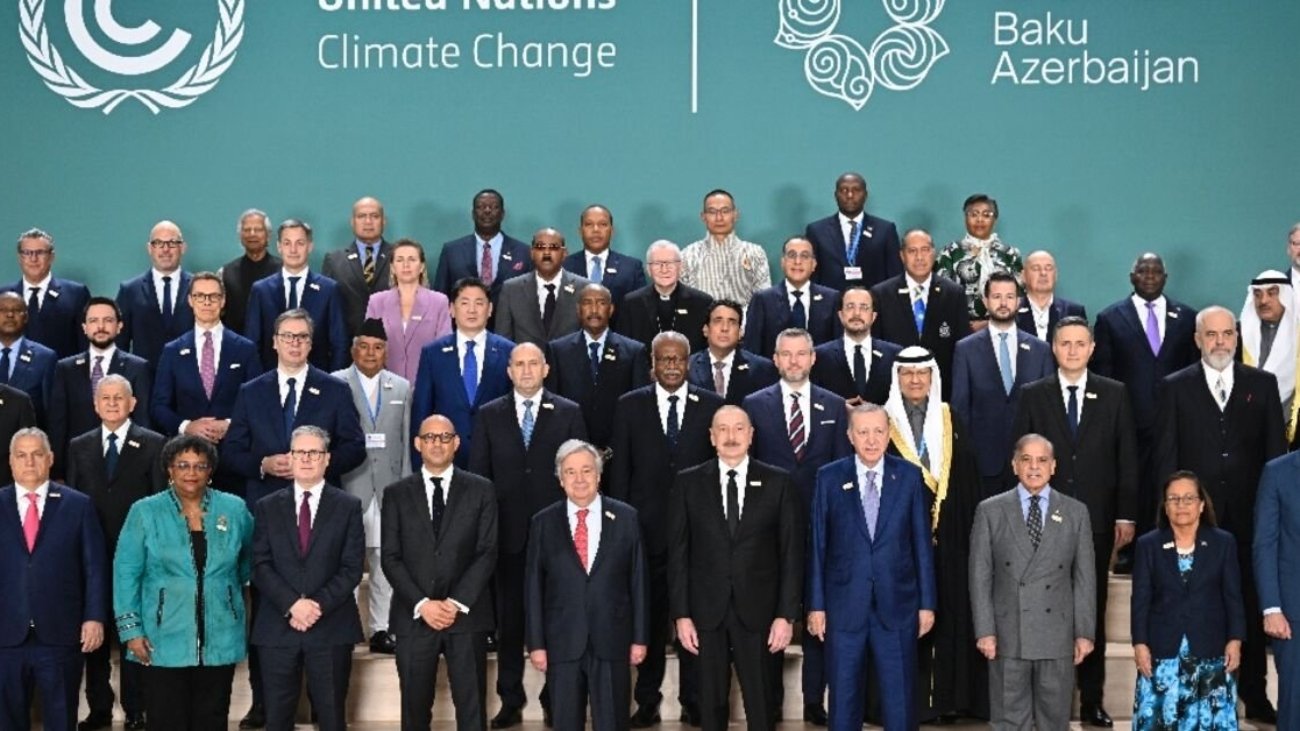
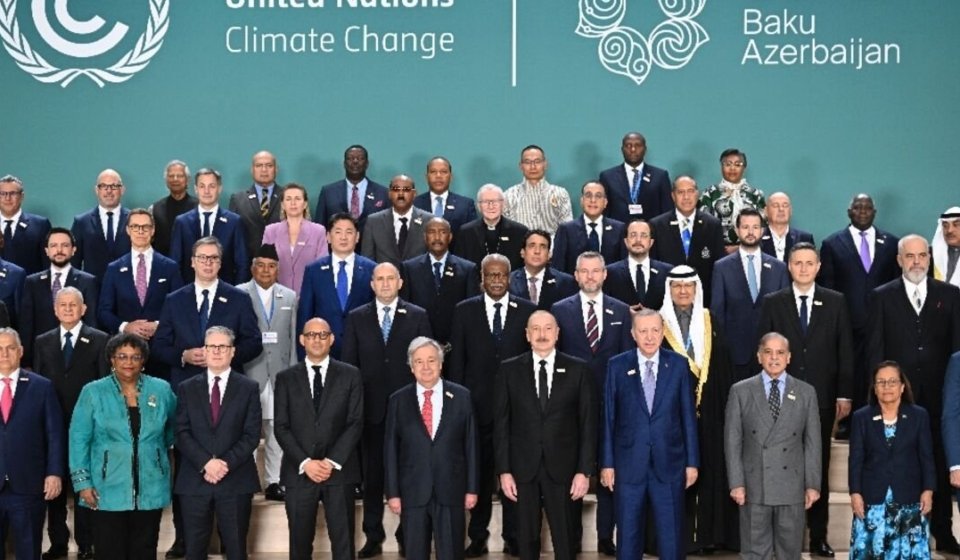
Global leaders have reaffirmed their commitment to tackling climate change as the year draws to a close, emphasizing renewed focus on emissions reduction, renewable energy expansion, and climate adaptation strategies. Statements issued ahead of the new year highlighted the urgency of coordinated international action to address environmental challenges affecting economies and communities worldwide.

Several governments pledged increased investment in clean energy technologies, including solar, wind, and green hydrogen projects. Leaders acknowledged that extreme weather events experienced across multiple regions during the year underscored the growing impact of climate change on livelihoods, infrastructure, and economic stability.

Environmental organizations welcomed the renewed commitments but urged governments to translate promises into concrete policy actions and measurable outcomes. Experts stressed that delays in implementation could undermine global efforts to achieve long-term climate targets, including those outlined in the Paris Agreement.

Developing countries emphasized the need for financial and technical support to transition toward low-carbon economies while ensuring energy security and sustainable development. Analysts note that climate financing, technology transfer, and capacity building remain critical challenges in achieving equitable and effective progress.

Looking ahead, observers say that sustained political will, accountability, and international collaboration will determine whether these climate commitments result in meaningful action. As global attention shifts toward the coming year, measurable progress on emissions reduction and renewable energy deployment will be key indicators of success.

International Markets

International Markets End Year on Cautious Note

International financial markets concluded the year on a cautious note as investors assessed inflation trends, interest rate expectations, and ongoing geopolitical developments. Trading activity remained subdued, reflecting uncertainty over the global economic outlook and cautious sentiment among market participants.

Market analysts noted that central bank policies continued to significantly influence investor behavior, with many closely monitoring signals on potential interest rate adjustments. While some economies have shown signs of easing inflationary pressures, concerns remain regarding sustainable growth momentum and broader economic stability.

Equity markets recorded mixed performances, with certain indices posting modest gains while others ended lower. Currency and commodity markets also reflected cautious positioning, as investors favored defensive sectors amid lingering uncertainties related to global demand, trade conditions, and policy direction.

Economists predict that market volatility may persist into the early months of the new year, particularly as policymakers strive to balance inflation control with economic growth support. Financial institutions have advised investors to maintain diversified portfolios and adopt a measured approach amid evolving market conditions.

Despite short-term uncertainty, analysts remain optimistic about long-term fundamentals in several regions. They note that once clarity on policy and global economic trends improves, opportunities for growth and investment may become more pronounced.

Looking ahead, investors are expected to continue closely following economic indicators, central bank communications, and geopolitical developments to navigate the complex market environment and position themselves for potential opportunities.

harsha

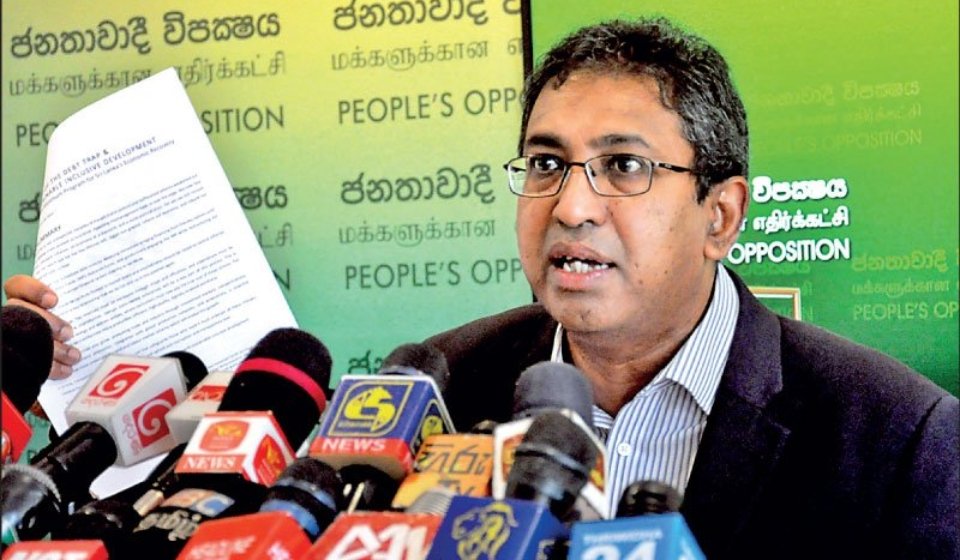
Sri Lanka Opposition Demands Transparency in Major Infrastructure Projects

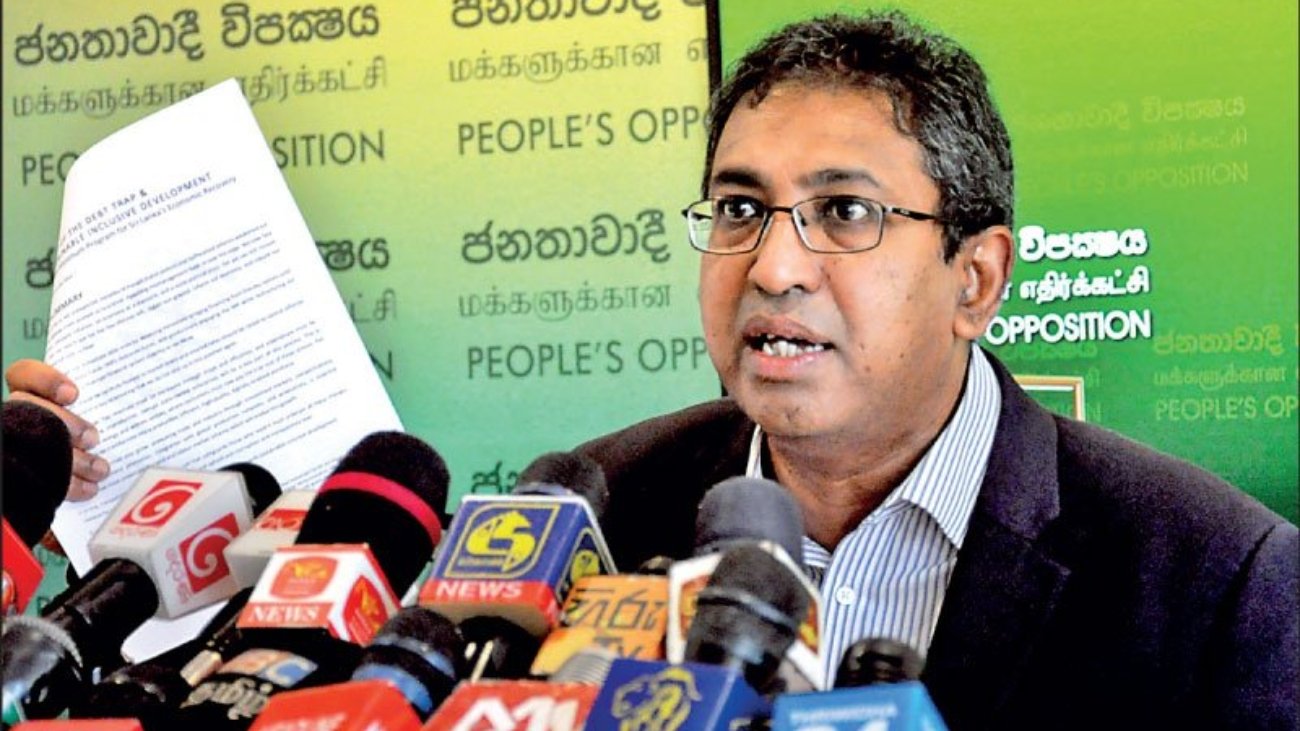
Sri Lanka’s opposition parties have renewed calls for greater transparency in major infrastructure projects, urging the government to disclose financing structures, contractual details, and progress reports. Lawmakers argue that public accountability is essential amid ongoing efforts to stabilize the economy and ensure sustainable development.

During parliamentary sessions, opposition representatives expressed concerns about long-term debt obligations, project viability, and potential fiscal risks. They called for independent oversight mechanisms and comprehensive disclosure of project terms, emphasizing that transparency would help rebuild public trust and ensure value for taxpayer money.

In response, government officials stated that existing procedures comply with national regulations and international standards. They highlighted that infrastructure development remains a critical component of economic growth, job creation, and national competitiveness. Authorities also stressed that projects are designed to support both immediate development needs and long-term strategic goals.

Policy analysts suggest that clearer communication regarding project financing, timelines, and expected outcomes could reduce public skepticism and foster more informed debate. As infrastructure continues to play a central role in Sri Lanka’s development agenda, transparency and governance are likely to remain key political issues.

Looking ahead, experts say that increased oversight and proactive disclosure could strengthen public confidence, attract investment, and support the sustainable execution of critical infrastructure projects across the country.

asian tec

Asian Tech Firms Accelerate AI Adoption

Technology companies across Asia are rapidly accelerating the adoption of artificial intelligence (AI) as part of broader digital transformation strategies. Industry leaders emphasize that AI integration is increasingly essential for improving operational efficiency, competitiveness, and customer engagement across diverse sectors.

Finance, healthcare, manufacturing, and logistics are among the fastest adopters of AI, using advanced tools for data analysis, process automation, predictive modeling, and personalized services. In addition, governments in several countries have introduced supportive policies aimed at encouraging innovation while addressing ethical considerations, such as data privacy, algorithmic transparency, and responsible AI deployment.

Experts caution that workforce skills development will be crucial to fully realize the potential of AI. Investment in education, professional training, and upskilling initiatives is expected to play a key role in ensuring inclusive growth and enabling employees to adapt to evolving technological demands.

Industry analysts predict that as AI adoption expands, it will significantly reshape Asia’s economic landscape over the coming decade. From streamlining industrial processes to transforming financial services and healthcare delivery, AI is expected to drive productivity gains, enhance competitiveness, and create new business opportunities across the region.

Looking forward, successful integration of AI technologies will depend on collaboration between governments, industry leaders, and educational institutions. Experts highlight that combining innovation with ethical and inclusive practices will be critical to sustainable growth in Asia’s AI-driven economy.