Global-tech-companies-and-origin

Global Tech Giants Face Renewed Regulatory Scrutiny

Global technology giants are facing renewed regulatory scrutiny as governments worldwide intensify efforts to address competition concerns, data protection, and consumer rights. Authorities argue that stronger oversight is necessary to ensure fair and transparent digital markets, particularly in sectors dominated by a few large firms.

Several jurisdictions are reviewing existing laws and proposing new regulatory frameworks aimed at curbing monopolistic practices, enhancing accountability, and protecting user data. These measures include stricter competition rules, privacy protections, and requirements for platform transparency. Technology firms have responded by emphasizing their commitment to compliance, cooperation with regulators, and proactive engagement in policy discussions.

Analysts note that clearer regulations could ultimately benefit innovation by creating more balanced market conditions and providing legal certainty for both established companies and emerging startups. However, they caution that inconsistent rules across regions could present challenges for global operations, requiring firms to adapt strategies to varying regulatory environments.

Industry experts highlight that the regulatory focus is not only on competition but also on ethical technology use, algorithmic accountability, and the safe management of personal data. Companies are expected to increase investments in compliance programs, reporting mechanisms, and cross-border coordination to meet evolving requirements.

Looking ahead, the balance between regulatory oversight and innovation will remain a critical topic for global technology companies. Authorities and industry stakeholders are likely to continue dialogue on frameworks that promote fair competition while encouraging technological growth and consumer trust.

Sri-Lanka-tourism

Sri Lanka Tourism Shows Seasonal Recovery Signs

Sri Lanka’s tourism sector is showing modest signs of seasonal recovery, providing cautious optimism for industry stakeholders. Increased arrivals during the holiday period have offered a temporary boost to hotels, transport providers, and local businesses that rely on visitor spending.

Industry officials noted that improved connectivity, targeted marketing campaigns, and international promotions have contributed to the uptick in tourist activity. Popular destinations across the country reported higher occupancy rates and increased participation in cultural and recreational activities, reflecting a positive response from travelers.

Despite the encouraging signs, challenges remain. Global economic uncertainty, rising operating costs, and competition from other regional destinations continue to impact profitability and long-term planning for tourism operators. Officials stressed that maintaining high service quality, safety standards, and effective health protocols will be essential to sustaining the recovery momentum.

Tourism authorities are also exploring innovative strategies to diversify offerings, promote off-season travel, and attract niche markets such as eco-tourism and wellness tourism. By focusing on both domestic and international visitor engagement, Sri Lanka aims to strengthen the resilience of its tourism sector.

Looking ahead, stakeholders remain cautiously optimistic that continued investment in infrastructure, marketing, and service excellence will help Sri Lanka’s tourism industry regain stability and growth in the coming months.

Asian Stock Exchanges

Asian Stock Exchanges Mixed Amid Global Uncertainty

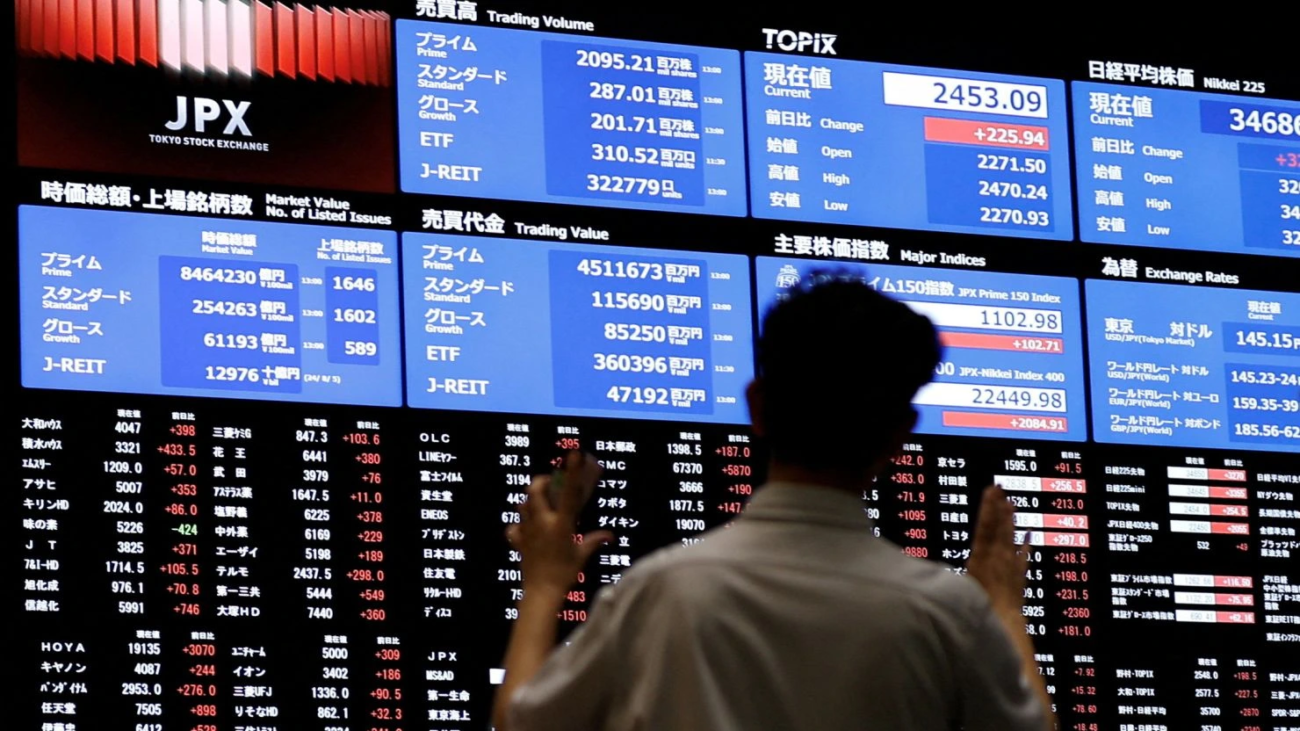
Asian stock exchanges recorded mixed performances as investors reacted to a combination of global economic signals and domestic data releases. Market sentiment remained cautious amid ongoing uncertainty over growth prospects, with several indices showing moderate gains while others faced declines.

Analysts noted that investors are closely monitoring policy developments, including monetary policy shifts, interest rate decisions, and regulatory announcements. External risks, such as geopolitical tensions and fluctuations in commodity prices, have also contributed to a careful approach in trading activities across the region.

Market observers highlighted that domestic economic indicators, including inflation rates, corporate earnings, and employment data, continue to influence investor confidence. The interplay between global and local factors is shaping a complex investment environment, requiring both short-term vigilance and long-term strategic positioning.

Experts emphasized that while volatility remains a concern, opportunities exist for disciplined investors who closely follow market trends and adjust portfolios accordingly. Diversification, risk management, and awareness of external shocks are seen as critical to navigating the current economic landscape.

Looking ahead, analysts predict that Asian stock exchanges will continue to fluctuate in response to evolving global economic conditions. Investors are expected to remain cautious, prioritizing informed decision-making and closely watching policy developments that may impact growth and market stability.

afghanistan

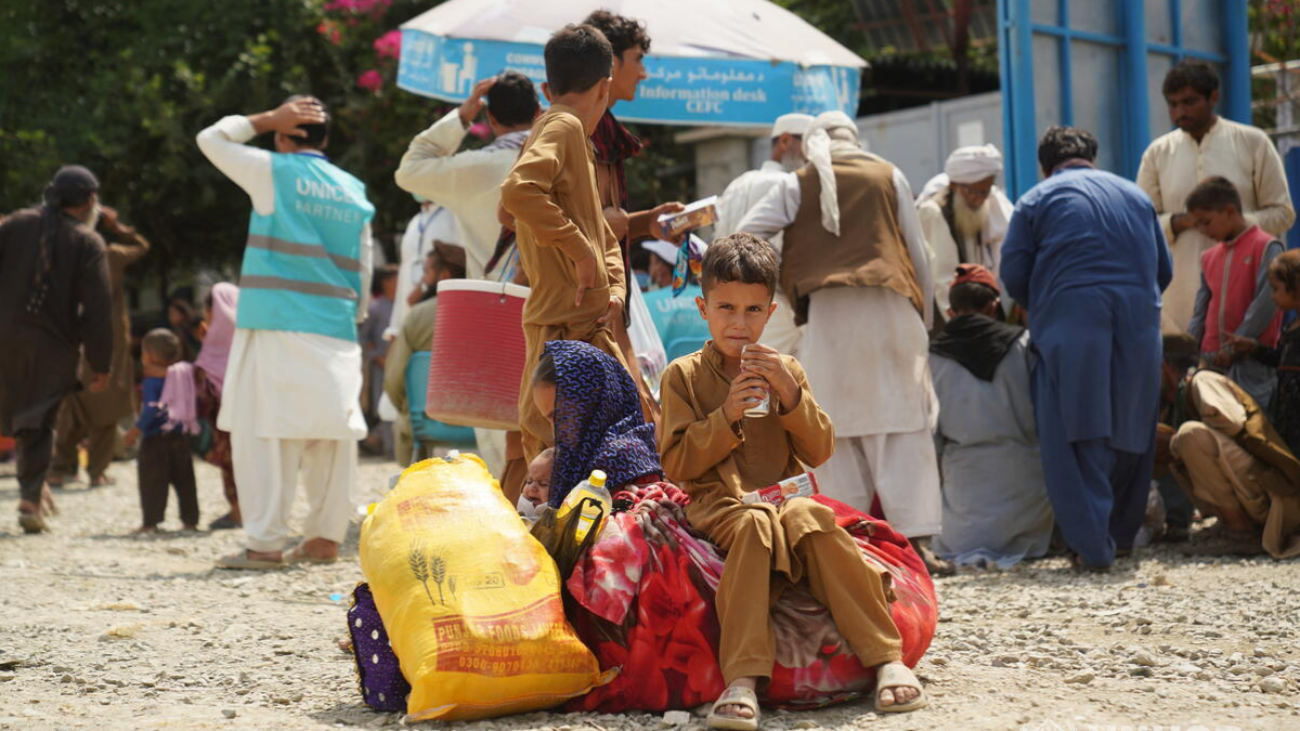
UN Urges Continued Humanitarian Support for Vulnerable Regions

The United Nations has called on the international community to sustain humanitarian assistance for regions affected by conflict, displacement, and climate-related disasters. Officials warned that gaps in funding and delayed aid could exacerbate the plight of millions of vulnerable people.

UN representatives highlighted that crises in multiple countries require coordinated and timely interventions to address urgent needs such as food security, shelter, healthcare, and education. Aid agencies emphasized that sustained cooperation among governments, international organizations, and non-governmental organizations is essential to prevent further deterioration of living conditions.

Recent assessments indicate that humanitarian demands continue to rise, driven by ongoing conflicts, natural disasters, and the socioeconomic impacts of climate change. Officials stressed that without adequate support, vulnerable populations risk prolonged suffering, displacement, and heightened exposure to health and safety hazards.

The UN urged donors to commit resources and maintain flexible funding mechanisms that can respond quickly to emerging crises. Aid agencies also encouraged stronger coordination, transparency, and accountability to maximize the impact of assistance programs and ensure that help reaches those most in need.

Looking ahead, international leaders and humanitarian organizations are being called upon to prioritize long-term resilience-building alongside immediate relief efforts. Officials stressed that collective responsibility and proactive engagement are critical to alleviating human suffering and promoting stability in affected regions.

Sri Lanka Cricket

Sri Lanka Cricket Board Announces Domestic Calendar Updates

Sri Lanka Cricket (SLC) has unveiled updates to its domestic tournament calendar, aiming to strengthen competition structures and promote talent development across the country. Officials emphasized that the revised schedule has been carefully designed to balance player workload with performance goals, ensuring that athletes remain competitive while minimizing fatigue.

The changes affect key domestic tournaments, including first-class, List A, and T20 competitions, with adjustments to match timings, venue allocations, and seasonal sequencing. Coaches and team management have welcomed the updates, highlighting that the revised calendar provides more opportunities for emerging players to gain experience and showcase their skills at higher levels.

SLC officials also noted that the updates are part of a broader strategy to professionalize domestic cricket and enhance pathways for players to progress to the national team. By fostering a more competitive and structured environment, the board hopes to strengthen the overall standard of Sri Lankan cricket.

Experts believe that balancing match frequency with player recovery and development will be crucial in maintaining performance levels throughout the domestic season. In addition, the updated calendar is expected to help selectors identify and nurture young talent effectively, while providing fans with a consistent schedule of quality cricket.

Looking ahead, Sri Lanka Cricket plans to monitor the impact of the new calendar closely, gathering feedback from players, coaches, and stakeholders to make further refinements. Officials said that a well-structured domestic season will be key to sustaining the growth and success of Sri Lankan cricket in the coming years.

afc

Asian Football Clubs Prepare for Continental Competitions

Football clubs across Asia are ramping up preparations for the upcoming continental competitions, aiming to perform strongly in tournaments organized under the Asian Football Confederation (AFC). Teams are focusing on tactical refinement, physical conditioning, and enhancing squad depth to meet the demands of high-level regional play.

Coaches emphasize that meticulous preparation is essential to achieve competitive success. Clubs are conducting intensive training camps, analyzing opponent strategies, and implementing advanced fitness regimens to ensure players are physically and mentally ready. Tactical drills and strategic planning are being prioritized to maximize on-field efficiency and adaptability.

Officials highlight that strong preparation extends beyond the players, involving support staff, analysts, and medical teams. Investment in sports science, nutrition, and injury prevention has become a critical part of club strategies to sustain performance throughout the demanding tournament schedules.

Football analysts note that the AFC competitions provide an opportunity for clubs to showcase their skills on a larger stage, gain international exposure, and strengthen the football culture across Asia. Success in these tournaments can boost club reputations, attract sponsorships, and inspire youth development programs.

Looking ahead, Asian football clubs are expected to continue emphasizing disciplined preparation, squad rotation, and tactical versatility. Officials stress that sustained effort, teamwork, and strategic planning will be key factors in achieving continental success and raising the standard of football across the region.

olympics-4k-first-time-2021

Global Sports Bodies Emphasize Fair Play and Governance

International sports organizations are reiterating the importance of strong governance and fair play, highlighting the need for transparency, accountability, and integrity across all levels of competition. Officials have emphasized that recent reforms aim to strengthen ethical standards and ensure equitable treatment for athletes, teams, and stakeholders worldwide.

The call for enhanced governance comes amid growing scrutiny of sports institutions and an increasing demand from fans, sponsors, and governments for transparency in decision-making processes. Sports bodies are implementing measures such as independent ethics committees, stricter compliance protocols, and improved financial reporting to bolster trust and credibility.

Recent initiatives include anti-doping programs, stricter disciplinary regulations, and reforms in tournament management to ensure fairness and inclusivity. Officials stress that fostering a culture of integrity not only protects the spirit of competition but also enhances the global reputation of sports organizations.

Experts note that governance reforms are particularly crucial as sports expand globally, with more countries participating in international competitions and greater commercial interests involved. By prioritizing ethical practices, sports bodies aim to safeguard the rights of athletes, maintain competitive balance, and build sustainable systems for future generations.

Looking ahead, international organizations are expected to continue reinforcing governance frameworks, promoting fair play, and engaging with stakeholders to address emerging challenges. Officials emphasize that integrity in sports is not only a regulatory obligation but also a vital component of fan trust, sponsorship, and the long-term health of global sporting ecosystems.


sri lanka cinema

Sri Lankan Cinema Sees Growing Interest in Regional Markets

Sri Lankan cinema is experiencing a surge of interest in regional markets, with filmmakers and audiences increasingly looking beyond national borders. The growing popularity is being driven by participation in regional film festivals, digital distribution, and the rising accessibility of streaming platforms, which allow films to reach wider audiences quickly.

Industry observers note that Sri Lankan filmmakers are exploring opportunities for cross-border collaboration, co-productions, and cultural exchanges with neighboring countries. This trend not only broadens the creative landscape but also increases the commercial potential of Sri Lankan films.

Film festivals in South Asia and beyond have showcased Sri Lankan storytelling, attracting critical acclaim and fostering networking opportunities for local directors, producers, and actors. Meanwhile, streaming platforms have made it easier for audiences across the region to access Sri Lankan films, helping the industry gain recognition and build an international fan base.

Experts say that these developments are crucial for the long-term growth of Sri Lankan cinema, encouraging innovation, investment, and professional training within the industry. By embracing regional collaboration and digital distribution, Sri Lankan filmmakers are positioning their work for both artistic and commercial success.

Looking ahead, the industry aims to expand its presence in regional markets further, with plans for more co-productions, targeted marketing, and digital-first releases. The increased global visibility is expected to strengthen the cultural and economic footprint of Sri Lankan cinema in South Asia and beyond.

pop

Asian Pop Culture Continues Global Expansion

Asian pop culture continues to make significant inroads into global entertainment markets, propelled by digital platforms, social media, and enthusiastic international fan engagement. K-pop, J-pop, and other Asian music genres are attracting massive followings worldwide, influencing fashion, dance trends, and even film and television content.

Artists and production companies are increasingly collaborating across borders, creating music, videos, and performances that cater to diverse audiences. These cross-cultural partnerships amplify reach and help introduce new styles and languages to global markets, bridging cultural gaps through entertainment.

Streaming services, video-sharing platforms, and social media networks play a pivotal role in this global expansion. Fans from different countries actively participate in online campaigns, fan clubs, and virtual concerts, amplifying the visibility of Asian artists. Analysts note that the digital-first approach allows emerging artists to bypass traditional barriers and reach global audiences more efficiently than ever before.

Industry insiders also highlight that Asian pop culture’s global rise is driving economic opportunities, with merchandise, concert tours, and brand collaborations contributing to international revenue streams. The phenomenon demonstrates how cultural exchange and digital innovation can reshape the global entertainment landscape.

Looking forward, experts predict that Asian pop culture will continue its upward trajectory, with more collaborations, global tours, and digital content tailored for international fans. This trend not only strengthens the influence of Asian artists but also fosters a more interconnected and culturally diverse global music industry.

hollywood

Hollywood Studios Adjust Release Strategies for Global Audiences

Hollywood studios are rethinking their film release strategies to keep pace with changing audience preferences and the rising influence of streaming services across the globe. Traditional theatrical release models are evolving as studios seek to optimize both box office revenue and digital viewership.

Industry experts note that audiences now demand greater flexibility, with many opting for streaming platforms to watch films at home. This trend has encouraged studios to experiment with simultaneous releases in cinemas and on streaming services, shorter theatrical windows, and region-specific distribution strategies.

Additionally, global markets are playing an increasingly critical role in shaping release schedules. Studios are tailoring film launches to coincide with key holidays, cultural events, and local audience interests in major territories such as Asia, Europe, and Latin America. Strategic partnerships with international streaming services and local distributors are also becoming a key factor in maximizing a film’s global reach.

The shift in release strategies reflects broader changes in the entertainment landscape, where digital platforms are influencing production decisions, marketing campaigns, and audience engagement. Studios emphasize that while the theatrical experience remains important, embracing hybrid distribution models ensures films reach wider audiences more efficiently.

Looking ahead, analysts predict that Hollywood will continue to refine release approaches, balancing traditional cinema with digital innovation to meet global demand. By adapting to audience behavior and leveraging streaming technology, studios aim to maintain both commercial success and cultural relevance in an increasingly interconnected entertainment market.