digital economy

Sri Lanka Advances Digital Government Services

Sri Lanka is accelerating its digital government initiatives as part of a broader effort to enhance efficiency, transparency, and citizen access to public services. Government officials emphasize that digitalization is a central pillar of public sector reform and is critical for modernizing administrative processes.

In recent months, several departments have launched online platforms to allow citizens to access essential services, including civil registrations, permits, tax payments, and utility management, without visiting government offices. Officials say these initiatives aim to reduce bureaucracy, shorten processing times, and improve accountability.

Digital transformation efforts are also being supported by investments in information and communications technology (ICT) infrastructure, cybersecurity enhancements, and staff training programs. Government spokespersons highlight that public-private partnerships are playing a key role in driving innovative solutions to meet citizens’ needs more effectively.

Experts note that the move toward e-government aligns Sri Lanka with global trends in digital governance and opens opportunities for improved service delivery, data-driven policymaking, and greater civic engagement. However, authorities acknowledge that challenges remain, including bridging the digital divide in rural areas and ensuring data privacy and security for all users.

Looking ahead, Sri Lanka plans to expand digital services across more sectors, enhance mobile accessibility, and integrate advanced technologies such as AI and data analytics to streamline public administration. Officials say that by embracing digital solutions, the country aims to foster a more transparent, responsive, and inclusive government.

16_9_ultra_high_resolution_global_news_photograph_cinematic

Year-End Reflections Highlight Challenges and Opportunities Ahead

As the year draws to a close, analysts around the world are reflecting on the major political, economic, and social challenges that have shaped the global landscape, while also identifying opportunities for cooperation and recovery in the year ahead. The past twelve months have been marked by uncertainty, testing the resilience of nations and international institutions alike.

Ongoing conflicts, rising geopolitical tensions, and shifting power dynamics have continued to disrupt global stability. At the same time, economic pressures driven by inflation, volatile energy prices, supply chain disruptions, and financial instability have affected countries across all regions. Experts note that developing and vulnerable economies have been particularly impacted, facing increased debt pressures and rising costs of living.

Climate change has emerged as another defining challenge of the year, with extreme weather events and environmental disasters affecting millions worldwide. Analysts stress that these developments highlight deep structural weaknesses in global governance systems and the urgent need for coordinated international responses.

Despite the scale of these challenges, experts see reasons for cautious optimism. Strengthening multilateral cooperation, rebuilding trust between nations, and reforming global financial and trade institutions are widely viewed as essential steps toward long-term recovery. Policy reforms aimed at economic inclusion and stability are expected to play a central role in the year ahead.

In addition, the transition toward renewable energy, investment in climate-resilient infrastructure, and the adoption of new technologies are identified as key opportunities for sustainable growth. Analysts argue that responsible leadership, transparent governance, and constructive dialogue will be crucial in navigating global uncertainties.

Looking ahead, experts emphasize that cooperation and shared responsibility will determine whether the international community can turn current challenges into opportunities. While risks remain high, collective action and forward-looking policies may help create a more stable and resilient global future in the coming year.

sri lanka parliment

Parliament Approves Key Economic Bills Amid Opposition Protest

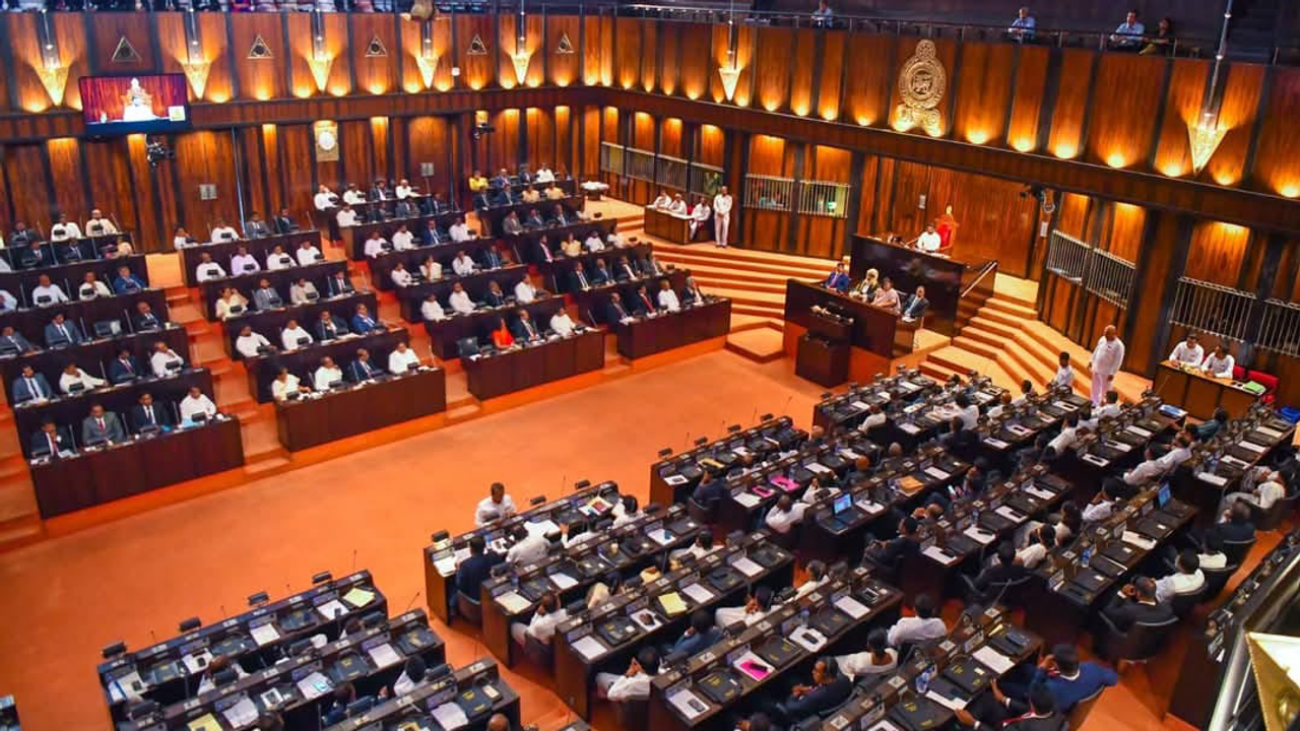
Colombo — Sri Lanka’s Parliament this week approved several key government proposals aimed at stabilising the economy, triggering strong reactions from opposition parties and mixed responses from the public.

Government decision

The government moved forward with legislation linked to economic recovery, including stricter controls on state spending, changes to welfare eligibility, and new rules for state-owned enterprises. Government leaders told Parliament these steps are necessary to reduce losses, manage public debt, and meet international financial commitments.

The Minister of Finance stated that without such reforms, the country risks returning to severe shortages, inflation, and instability similar to what people experienced during the height of the economic crisis.

Opposition reaction

Opposition parties strongly criticised the decisions, arguing that ordinary citizens are being asked to shoulder the burden of economic reform. Opposition MPs accused the government of focusing too heavily on numbers and international agreements while ignoring daily struggles faced by families.

During the debate, several opposition members staged walkouts and demanded more time for public consultation, especially on welfare reforms. They warned that reducing benefits or tightening eligibility could harm low-income households, elderly citizens, and people with disabilities.

What happened in Parliament

The debate lasted over two days, with heated exchanges between government and opposition MPs. Despite resistance, the bills were passed with a majority vote, supported by government allies. Parliamentary committees are now expected to monitor how the new policies are implemented.

How this affects the public

For ordinary Sri Lankans, these decisions will be felt in everyday life:

  • Welfare support: Some families may need to re-register or prove eligibility again to receive benefits, which could delay payments.
  • Public services: Reforms to state institutions may lead to improved efficiency over time, but could also mean staff reductions or restructuring in the short term.
  • Cost of living: The government claims tighter spending will help control inflation, while critics argue the impact may be slow and uneven.

Public reaction

Public opinion remains divided. Some citizens say tough decisions are necessary to prevent another economic collapse. Others express concern that reforms are happening too quickly, without enough support for vulnerable groups.

Social media discussions reflect frustration, with many asking for clearer communication from the government and stronger safeguards for low-income families.

What comes next

The opposition has indicated it will continue to challenge the government both inside and outside Parliament, including through committee scrutiny and public campaigns. Meanwhile, the government insists that consistent policy implementation is the only path to long-term stability.

As these political decisions unfold, their real test will be whether they improve daily life for citizens—or deepen the pressures many Sri Lankans already face.

srilanka-povertyreport2

Sri Lanka Faces Growing Youth Challenges Amid Education Strains and Rising Cost of Living

Sri Lanka is grappling with deep social challenges that affect the country’s youth, education system, and everyday living standards. Recent data show that youth unemployment has reached one of the highest levels among all age groups, contributing to frustrations among young people about their future prospects. (Hiru News)

Education Under Strain

Despite Sri Lanka’s long-standing tradition of free education, experts warn that underfunding and inequality are weakening the system. A major international report found that the government’s failure to raise enough revenue through taxes has led to chronic shortages in school funding, forcing many schools to charge parents for basic materials and services that were once free. This creates a divide between well-resourced urban schools and those in poorer or rural areas. (Human Rights Watch)

Education officials point to reforms aimed at restructuring the system, including closing very small schools and modernizing curricula—a move the government says will improve efficiency. However, critics argue that such measures fall short of solving systemic problems like teacher shortages and resource gaps. (Ceylon Today)

Expert View:
Dr. Suresh Ranasinghe, senior researcher at the Institute of Policy Studies, says, “A large portion of youth do not participate in education or vocational training, leaving them without the skills needed in today’s job market. This makes them vulnerable to unemployment or underemployment.” (ips.lk)

Youth Unemployment and Frustration

The latest labour survey shows that more than one in five young Sri Lankans (ages 15–24) are unemployed, the highest rate across age groups. Young women face even higher unemployment levels than young men, and many job seekers with higher educational qualifications cannot find suitable work. (Hiru News)

Public reactions reflect frustration about these statistics. Many youths say they feel trapped between an education system that does not guarantee jobs and a job market that demands skills they do not have. On social media, young Sri Lankans often express concerns about having to work abroad or give up career dreams due to limited opportunities at home.

Cost of Living Compounds Issues

Beyond education and jobs, the high cost of living remains a heavy burden for families and youth. Rising prices for essentials like food, transport, and school supplies mean many households struggle to afford basic needs. When families must choose between education expenses and daily living costs, children’s learning can suffer, especially in poorer communities where malnutrition is also a concern. (Nature)

Public Voices:
Parents in Colombo and other cities have shared how they have to cut back on food, transport, or school materials for their children because wages have not kept up with inflation. Many youths say they feel the pressure to earn money as soon as possible, even if it means leaving school early or taking low-paid work.

What Experts Say Should Happen Next

Social analysts stress that solving these intertwined challenges requires bold policy actions:

  • Increase government investment in education and skills training so that schools are better resourced and students graduate with marketable skills.
  • Expand job creation programs targeted at youth, especially in technology, services, and small business development.
  • Address cost of living pressures through social safety nets and targeted support for low-income families.

According to policy observers, without urgent reform, Sri Lanka risks losing a generation of young people whose potential could otherwise drive economic growth and social progress.

state-employees

Sri Lanka Moves to Digitize Public Services: What It Means for You

The Sri Lankan government has announced a major step to modernize public services by expanding its digital government policy, aimed at making everyday services faster, simpler, and more transparent for citizens.

What is the new policy?

Under this policy, key government services—such as obtaining birth certificates, renewing vehicle revenue licenses, applying for government allowances, and accessing pension-related services—will gradually move to online platforms. Citizens will be able to submit applications, upload documents, and track progress without visiting multiple government offices.

The government says this reform is part of a wider plan to reduce delays, cut unnecessary paperwork, and limit corruption in public administration.

How does this affect ordinary citizens?

Less time wasted in queues
Many Sri Lankans currently spend hours—or even days—visiting divisional secretariats and other offices. With online services, citizens can complete basic tasks from home or through mobile phones, saving time and travel costs.

Lower expenses
Travel, photocopying, and repeated visits to offices often cost money. Digital services aim to reduce these hidden expenses, especially benefiting daily wage earners and elderly citizens.

More transparency and fairness
When applications are tracked digitally, officials have less room to delay files or ask for unofficial payments. Citizens can see the status of their request and know when it will be completed.

Challenges for rural and elderly citizens
However, the policy also brings challenges. Many rural areas still lack reliable internet access, and some elderly citizens are unfamiliar with digital tools. The government has promised to maintain assistance desks at local offices and provide training to ensure no one is left behind.

What happens next?

The reform will be implemented in stages over the next year. Priority will be given to high-demand services such as identity documents, welfare payments, and vehicle-related services. The government has also stated that public feedback will be used to improve the system.

Why this matters

Public service reform directly affects daily life—from accessing welfare benefits to completing basic paperwork. If implemented properly, this digital shift could make government services more citizen-friendly, reduce frustration, and restore public trust in state institutions.

For ordinary Sri Lankans, the success of this policy will depend not just on technology, but on whether it truly makes life easier for everyone—urban and rural alike.