south asia

Regional Trade Talks Highlight South Asia’s Economic Recovery Path

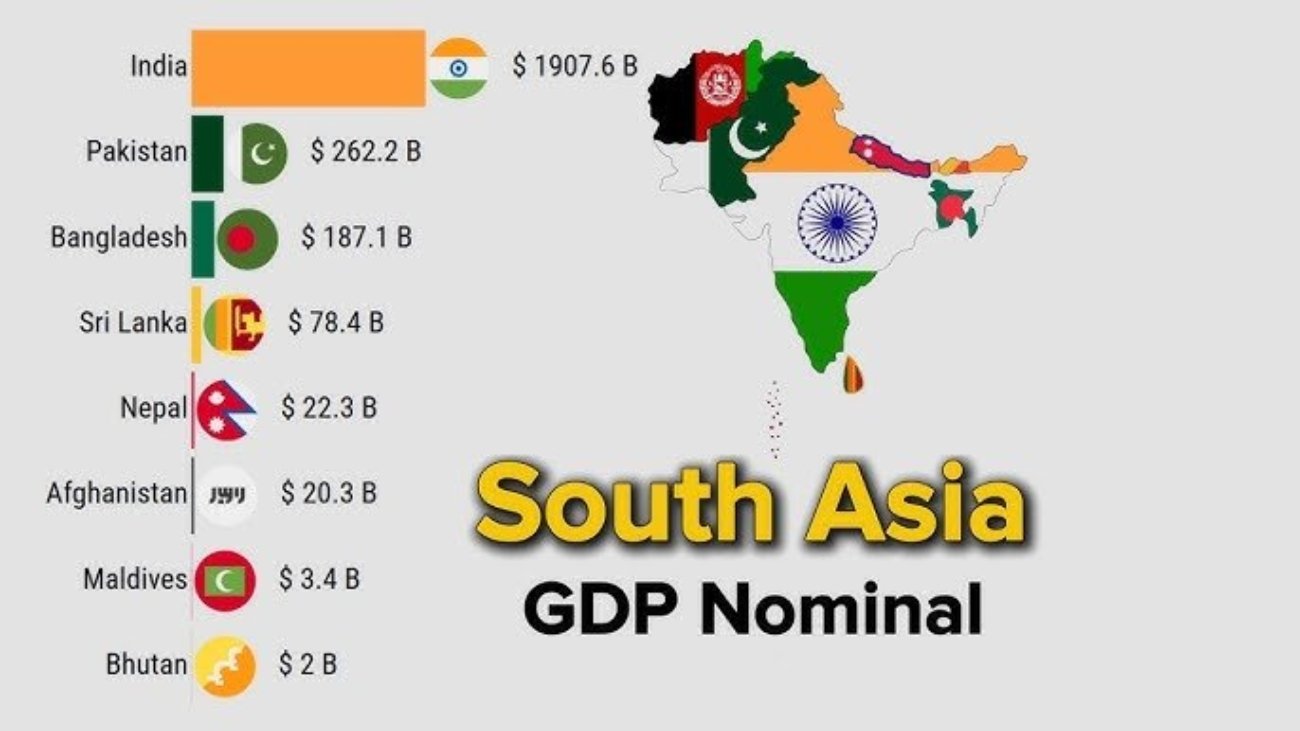
Economic policymakers from across South Asia have emphasized the importance of regional trade cooperation as countries work toward sustainable post-crisis economic recovery. During recent discussions, officials highlighted reducing trade barriers, enhancing logistics connectivity, and streamlining customs processes as critical steps to bolster intra-regional commerce.

Speakers noted that despite geographic proximity and shared markets, intra-regional trade remains well below potential. Simplified customs procedures, harmonized standards, and the adoption of digital trade platforms were identified as achievable short-term goals that could enhance efficiency and reduce transaction costs.

Sri Lankan representatives stressed the need for export diversification, particularly in agriculture, apparel, and value-added manufacturing, to strengthen resilience against fluctuations in global demand. Other countries echoed similar concerns, citing uncertainty in traditional Western markets and the need to tap regional opportunities to sustain growth.

Economists believe that stronger regional integration could help South Asian economies withstand external shocks, support small and medium enterprises (SMEs), and generate employment opportunities. They also noted that coordinated policies and investment in infrastructure could unlock the region’s trade potential and facilitate long-term economic stability.

Looking ahead, continued collaboration among South Asian nations, coupled with targeted policy reforms and investment in trade facilitation, is expected to play a key role in shaping the region’s economic recovery trajectory and fostering inclusive growth across the subcontinent.
asian leaders

Asian Nations Call for Calm Amid Rising Regional Security Tensions

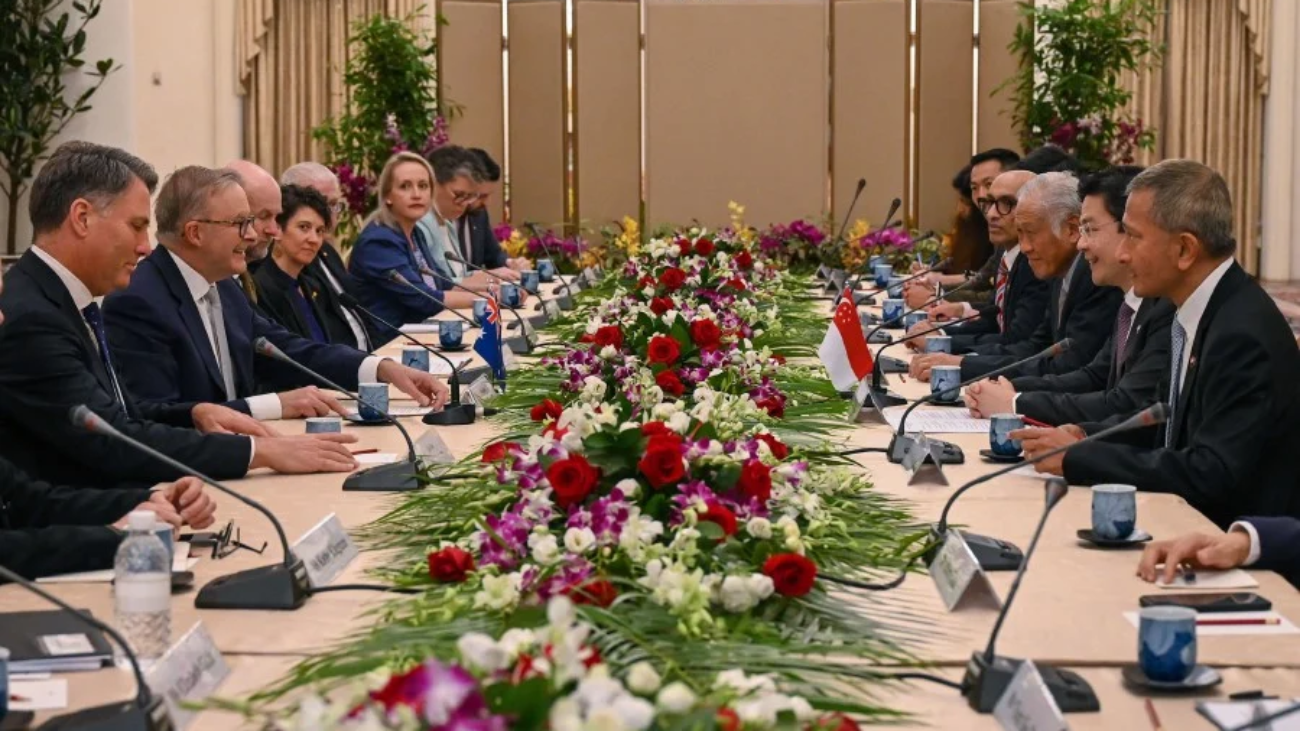
Several Asian governments have issued calls for calm and restraint following renewed regional security tensions, which have raised concerns across diplomatic and economic circles. Official statements from multiple capitals emphasized the importance of dialogue, peaceful engagement, and adherence to international norms to prevent further escalation.

Diplomatic sources reported that recent developments prompted urgent consultations through bilateral channels as well as regional forums. Governments stressed that miscalculations or aggressive posturing could have long-term consequences for regional stability, trade, and economic development. Analysts note that Asia’s highly interconnected economies are particularly vulnerable to prolonged security uncertainty.

Regional experts warned that rising tensions could weaken investor confidence and disrupt ongoing cooperation initiatives in areas such as trade, infrastructure, and energy security. Several countries highlighted the need to strengthen confidence-building measures and maintain open communication lines between defense and foreign ministries.

Observers also pointed out that regional institutions play a critical role in de-escalation, providing platforms for dialogue, mediation, and coordinated responses. Calls were made to utilize existing mechanisms rather than unilateral actions that could further complicate the situation.

Governments reiterated their commitment to peaceful coexistence and encouraged all parties to exercise restraint. Analysts emphasize that sustained diplomatic engagement, trust-building, and transparent communication will be essential to preserve stability and support Asia’s continued economic growth and cooperation.

asian tec

Asian Tech Firms Accelerate AI Adoption

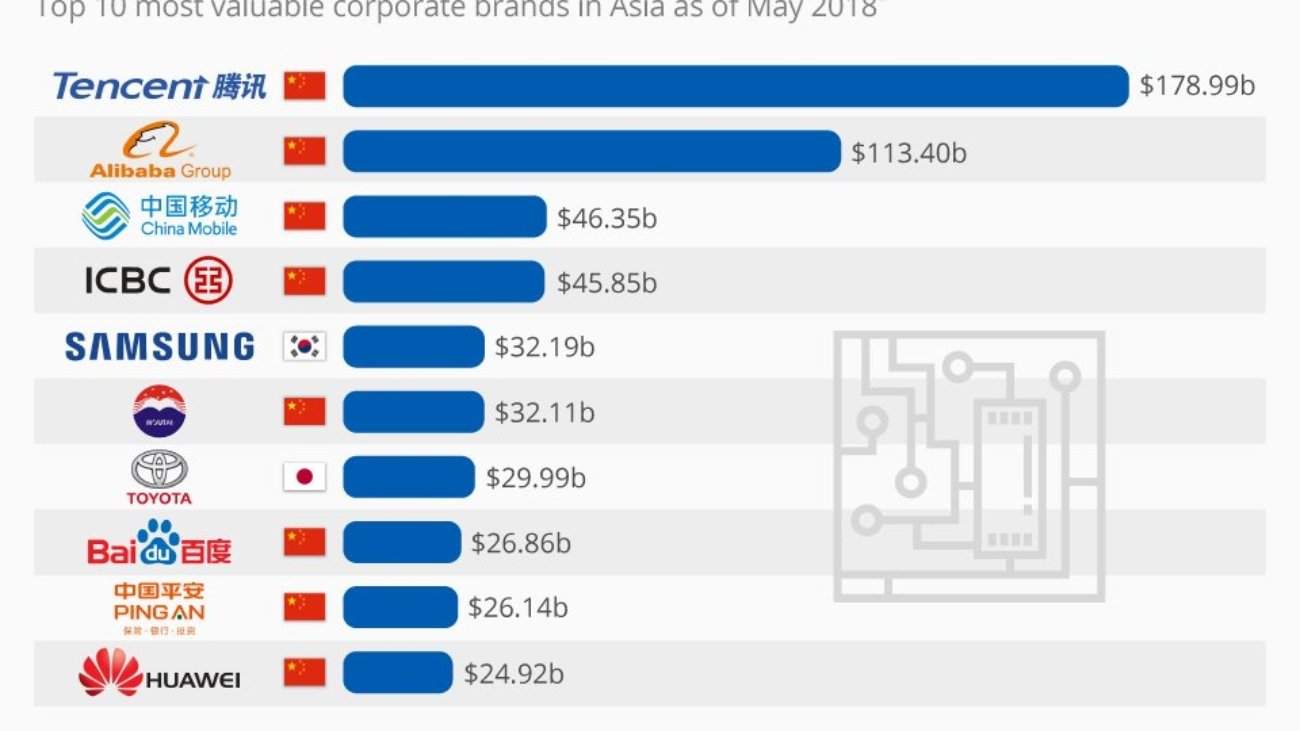
Technology companies across Asia are rapidly accelerating the adoption of artificial intelligence (AI) as part of broader digital transformation strategies. Industry leaders emphasize that AI integration is increasingly essential for improving operational efficiency, competitiveness, and customer engagement across diverse sectors.

Finance, healthcare, manufacturing, and logistics are among the fastest adopters of AI, using advanced tools for data analysis, process automation, predictive modeling, and personalized services. In addition, governments in several countries have introduced supportive policies aimed at encouraging innovation while addressing ethical considerations, such as data privacy, algorithmic transparency, and responsible AI deployment.

Experts caution that workforce skills development will be crucial to fully realize the potential of AI. Investment in education, professional training, and upskilling initiatives is expected to play a key role in ensuring inclusive growth and enabling employees to adapt to evolving technological demands.

Industry analysts predict that as AI adoption expands, it will significantly reshape Asia’s economic landscape over the coming decade. From streamlining industrial processes to transforming financial services and healthcare delivery, AI is expected to drive productivity gains, enhance competitiveness, and create new business opportunities across the region.

Looking forward, successful integration of AI technologies will depend on collaboration between governments, industry leaders, and educational institutions. Experts highlight that combining innovation with ethical and inclusive practices will be critical to sustainable growth in Asia’s AI-driven economy.

Asian Stock Exchanges

Asian Stock Exchanges Mixed Amid Global Uncertainty

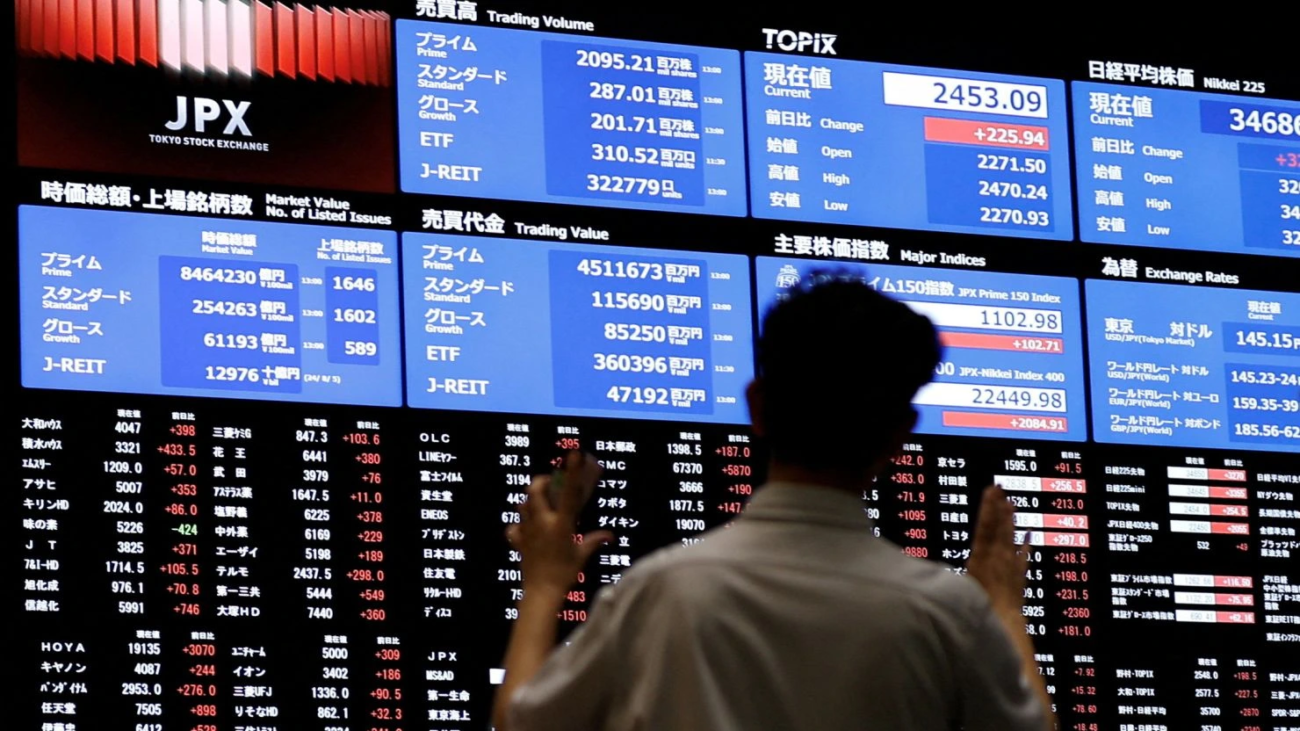
Asian stock exchanges recorded mixed performances as investors reacted to a combination of global economic signals and domestic data releases. Market sentiment remained cautious amid ongoing uncertainty over growth prospects, with several indices showing moderate gains while others faced declines.

Analysts noted that investors are closely monitoring policy developments, including monetary policy shifts, interest rate decisions, and regulatory announcements. External risks, such as geopolitical tensions and fluctuations in commodity prices, have also contributed to a careful approach in trading activities across the region.

Market observers highlighted that domestic economic indicators, including inflation rates, corporate earnings, and employment data, continue to influence investor confidence. The interplay between global and local factors is shaping a complex investment environment, requiring both short-term vigilance and long-term strategic positioning.

Experts emphasized that while volatility remains a concern, opportunities exist for disciplined investors who closely follow market trends and adjust portfolios accordingly. Diversification, risk management, and awareness of external shocks are seen as critical to navigating the current economic landscape.

Looking ahead, analysts predict that Asian stock exchanges will continue to fluctuate in response to evolving global economic conditions. Investors are expected to remain cautious, prioritizing informed decision-making and closely watching policy developments that may impact growth and market stability.

afc

Asian Football Clubs Prepare for Continental Competitions

Football clubs across Asia are ramping up preparations for the upcoming continental competitions, aiming to perform strongly in tournaments organized under the Asian Football Confederation (AFC). Teams are focusing on tactical refinement, physical conditioning, and enhancing squad depth to meet the demands of high-level regional play.

Coaches emphasize that meticulous preparation is essential to achieve competitive success. Clubs are conducting intensive training camps, analyzing opponent strategies, and implementing advanced fitness regimens to ensure players are physically and mentally ready. Tactical drills and strategic planning are being prioritized to maximize on-field efficiency and adaptability.

Officials highlight that strong preparation extends beyond the players, involving support staff, analysts, and medical teams. Investment in sports science, nutrition, and injury prevention has become a critical part of club strategies to sustain performance throughout the demanding tournament schedules.

Football analysts note that the AFC competitions provide an opportunity for clubs to showcase their skills on a larger stage, gain international exposure, and strengthen the football culture across Asia. Success in these tournaments can boost club reputations, attract sponsorships, and inspire youth development programs.

Looking ahead, Asian football clubs are expected to continue emphasizing disciplined preparation, squad rotation, and tactical versatility. Officials stress that sustained effort, teamwork, and strategic planning will be key factors in achieving continental success and raising the standard of football across the region.

pop

Asian Pop Culture Continues Global Expansion

Asian pop culture continues to make significant inroads into global entertainment markets, propelled by digital platforms, social media, and enthusiastic international fan engagement. K-pop, J-pop, and other Asian music genres are attracting massive followings worldwide, influencing fashion, dance trends, and even film and television content.

Artists and production companies are increasingly collaborating across borders, creating music, videos, and performances that cater to diverse audiences. These cross-cultural partnerships amplify reach and help introduce new styles and languages to global markets, bridging cultural gaps through entertainment.

Streaming services, video-sharing platforms, and social media networks play a pivotal role in this global expansion. Fans from different countries actively participate in online campaigns, fan clubs, and virtual concerts, amplifying the visibility of Asian artists. Analysts note that the digital-first approach allows emerging artists to bypass traditional barriers and reach global audiences more efficiently than ever before.

Industry insiders also highlight that Asian pop culture’s global rise is driving economic opportunities, with merchandise, concert tours, and brand collaborations contributing to international revenue streams. The phenomenon demonstrates how cultural exchange and digital innovation can reshape the global entertainment landscape.

Looking forward, experts predict that Asian pop culture will continue its upward trajectory, with more collaborations, global tours, and digital content tailored for international fans. This trend not only strengthens the influence of Asian artists but also fosters a more interconnected and culturally diverse global music industry.