sri lanka flood

Sri Lanka Moves to Strengthen Flood Response Ahead of Northeast Monsoon

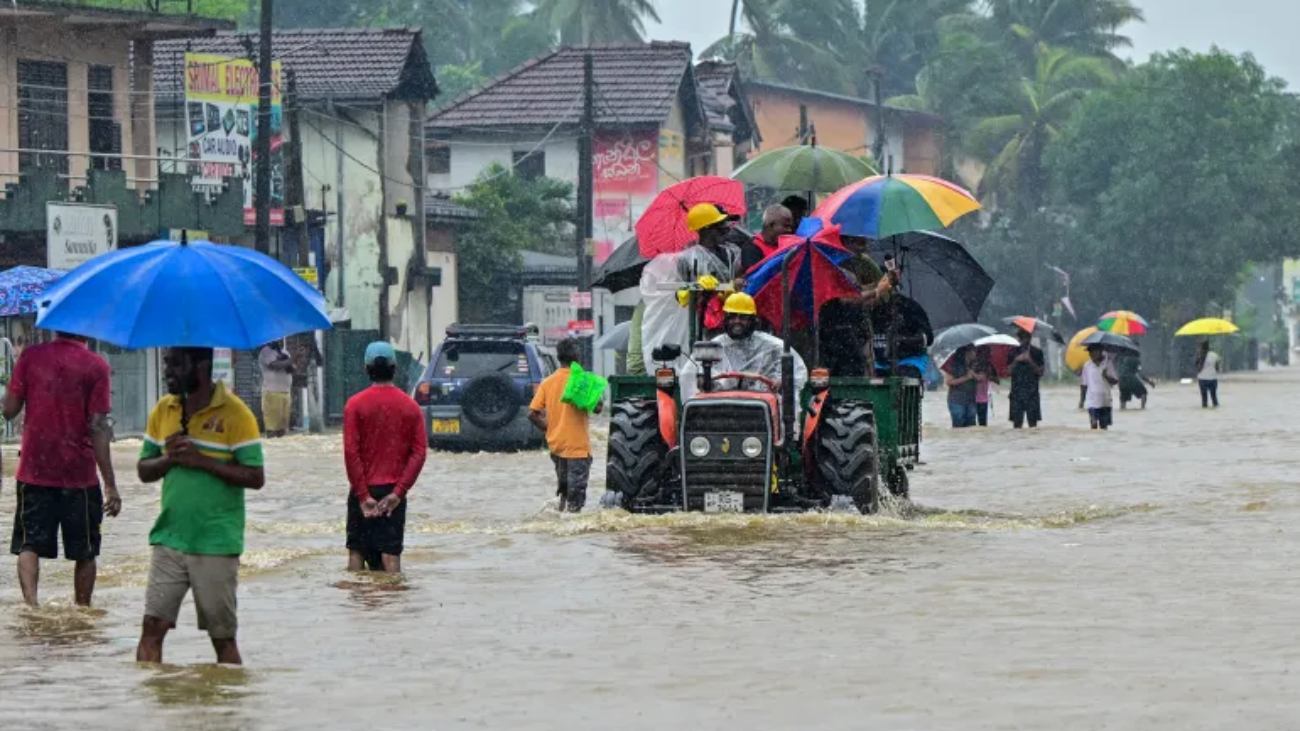
Sri Lanka’s disaster management authorities have intensified preparedness measures as the northeast monsoon continues to affect several parts of the island, raising concerns over potential flooding and landslides. Officials stated that enhanced coordination is underway among district secretariats, emergency services, and security forces to ensure a rapid response if conditions worsen.

The Disaster Management Centre confirmed that flood-prone districts in the Northern, Eastern, North Central, and Central provinces are under close monitoring. Temporary shelters have been readied in schools and community halls, while stocks of dry rations, drinking water, and essential medical supplies have been pre-positioned. The Meteorology Department has forecast intermittent heavy rainfall, warning residents in low-lying and hilly areas to remain vigilant.

Government representatives highlighted that lessons learned from previous flood events have informed current planning, focusing on faster evacuation and improved communication at the community level. Military and police units remain on standby to assist civil authorities in rescue and relief operations.

Opposition lawmakers have questioned whether preparedness efforts are sufficient, pointing to recurring losses caused by seasonal disasters. They emphasized the need for long-term investments in drainage systems, river management, and climate-resilient infrastructure to mitigate future risks.

Economists warned that repeated flood damage places added strain on public finances and disproportionately affects rural livelihoods, particularly in agriculture. Farmers expressed concern over potential crop losses if water levels continue to rise.

Authorities urged the public to follow official advisories, avoid travel in high-risk areas, and report emergencies through designated hotlines, emphasizing that public cooperation is essential to minimize loss of life and property during the monsoon season.
climate change

Global Leaders Reaffirm Climate Commitments Ahead of New Year

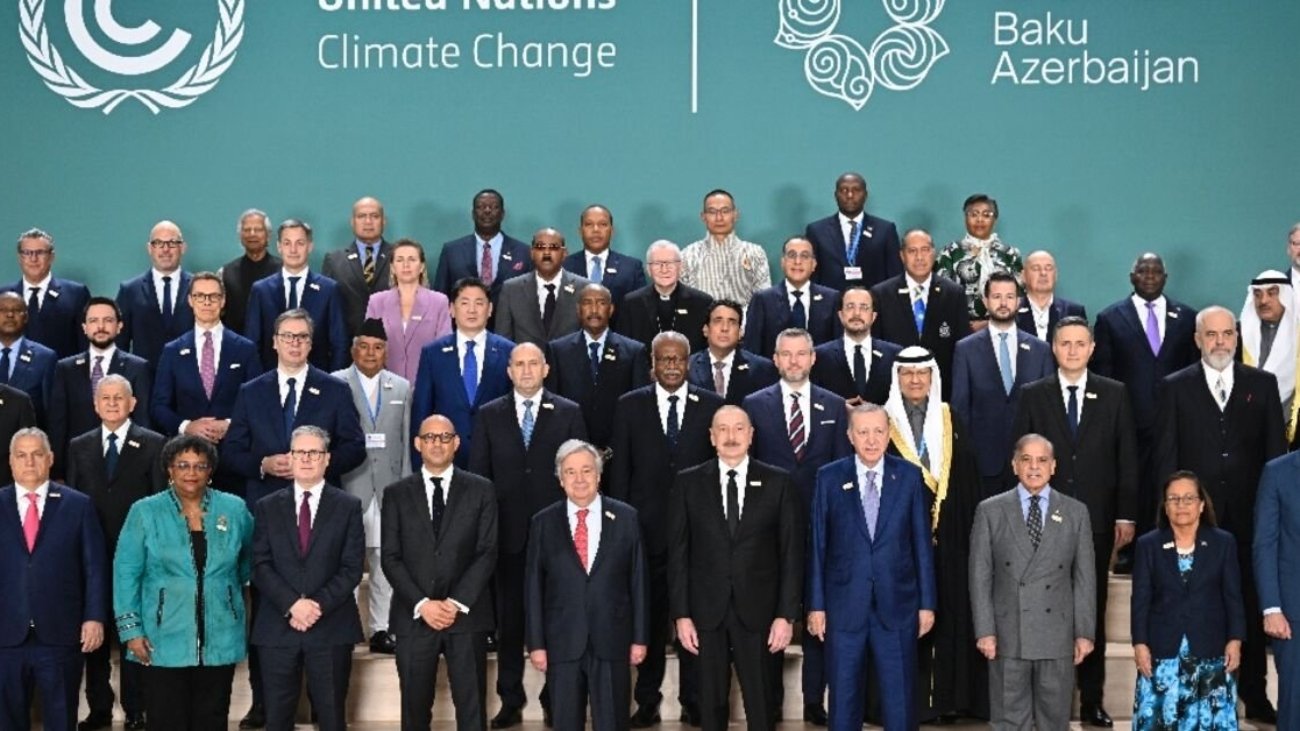
Global leaders have reaffirmed their commitment to tackling climate change as the year draws to a close, emphasizing renewed focus on emissions reduction, renewable energy expansion, and climate adaptation strategies. Statements issued ahead of the new year highlighted the urgency of coordinated international action to address environmental challenges affecting economies and communities worldwide.

Several governments pledged increased investment in clean energy technologies, including solar, wind, and green hydrogen projects. Leaders acknowledged that extreme weather events experienced across multiple regions during the year underscored the growing impact of climate change on livelihoods, infrastructure, and economic stability.

Environmental organizations welcomed the renewed commitments but urged governments to translate promises into concrete policy actions and measurable outcomes. Experts stressed that delays in implementation could undermine global efforts to achieve long-term climate targets, including those outlined in the Paris Agreement.

Developing countries emphasized the need for financial and technical support to transition toward low-carbon economies while ensuring energy security and sustainable development. Analysts note that climate financing, technology transfer, and capacity building remain critical challenges in achieving equitable and effective progress.

Looking ahead, observers say that sustained political will, accountability, and international collaboration will determine whether these climate commitments result in meaningful action. As global attention shifts toward the coming year, measurable progress on emissions reduction and renewable energy deployment will be key indicators of success.

harsha

Sri Lanka Opposition Demands Transparency in Major Infrastructure Projects

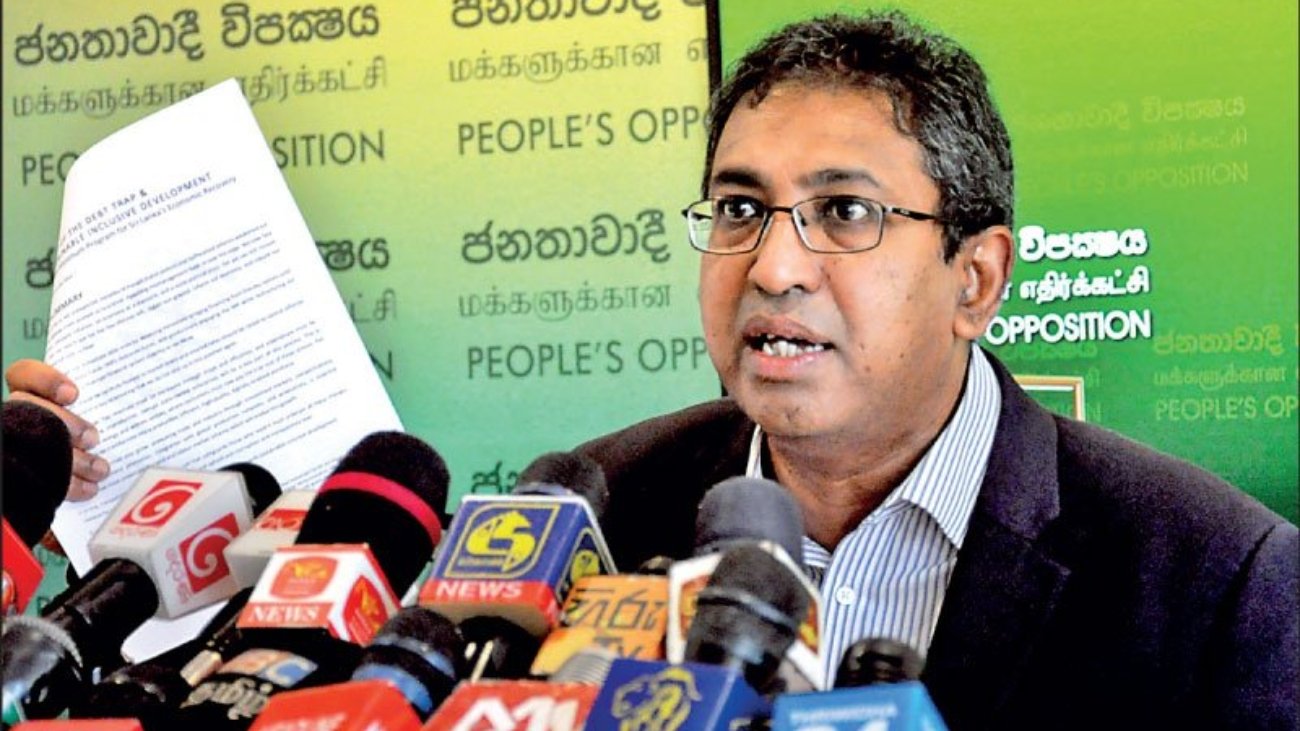
Sri Lanka’s opposition parties have renewed calls for greater transparency in major infrastructure projects, urging the government to disclose financing structures, contractual details, and progress reports. Lawmakers argue that public accountability is essential amid ongoing efforts to stabilize the economy and ensure sustainable development.

During parliamentary sessions, opposition representatives expressed concerns about long-term debt obligations, project viability, and potential fiscal risks. They called for independent oversight mechanisms and comprehensive disclosure of project terms, emphasizing that transparency would help rebuild public trust and ensure value for taxpayer money.

In response, government officials stated that existing procedures comply with national regulations and international standards. They highlighted that infrastructure development remains a critical component of economic growth, job creation, and national competitiveness. Authorities also stressed that projects are designed to support both immediate development needs and long-term strategic goals.

Policy analysts suggest that clearer communication regarding project financing, timelines, and expected outcomes could reduce public skepticism and foster more informed debate. As infrastructure continues to play a central role in Sri Lanka’s development agenda, transparency and governance are likely to remain key political issues.

Looking ahead, experts say that increased oversight and proactive disclosure could strengthen public confidence, attract investment, and support the sustainable execution of critical infrastructure projects across the country.

afghanistan

UN Urges Continued Humanitarian Support for Vulnerable Regions

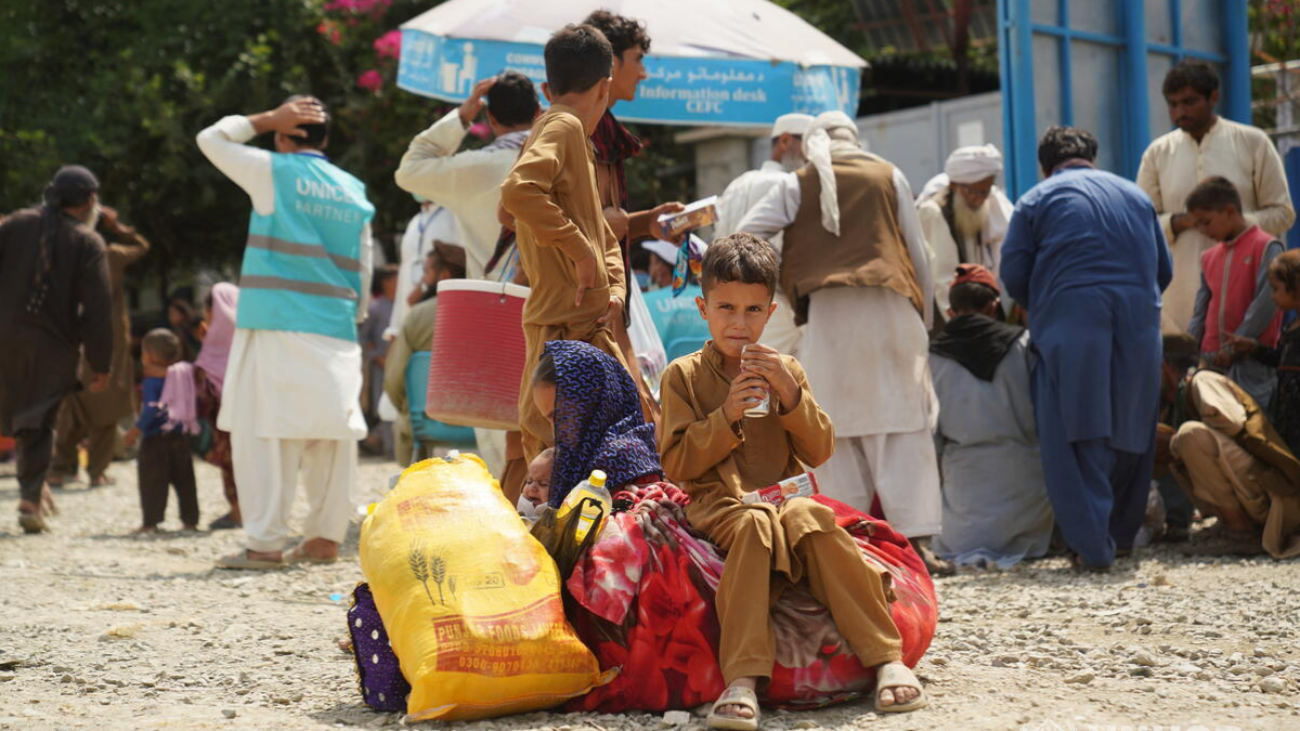
The United Nations has called on the international community to sustain humanitarian assistance for regions affected by conflict, displacement, and climate-related disasters. Officials warned that gaps in funding and delayed aid could exacerbate the plight of millions of vulnerable people.

UN representatives highlighted that crises in multiple countries require coordinated and timely interventions to address urgent needs such as food security, shelter, healthcare, and education. Aid agencies emphasized that sustained cooperation among governments, international organizations, and non-governmental organizations is essential to prevent further deterioration of living conditions.

Recent assessments indicate that humanitarian demands continue to rise, driven by ongoing conflicts, natural disasters, and the socioeconomic impacts of climate change. Officials stressed that without adequate support, vulnerable populations risk prolonged suffering, displacement, and heightened exposure to health and safety hazards.

The UN urged donors to commit resources and maintain flexible funding mechanisms that can respond quickly to emerging crises. Aid agencies also encouraged stronger coordination, transparency, and accountability to maximize the impact of assistance programs and ensure that help reaches those most in need.

Looking ahead, international leaders and humanitarian organizations are being called upon to prioritize long-term resilience-building alongside immediate relief efforts. Officials stressed that collective responsibility and proactive engagement are critical to alleviating human suffering and promoting stability in affected regions.

sri lanka parliment

Parliament Approves Key Economic Bills Amid Opposition Protest

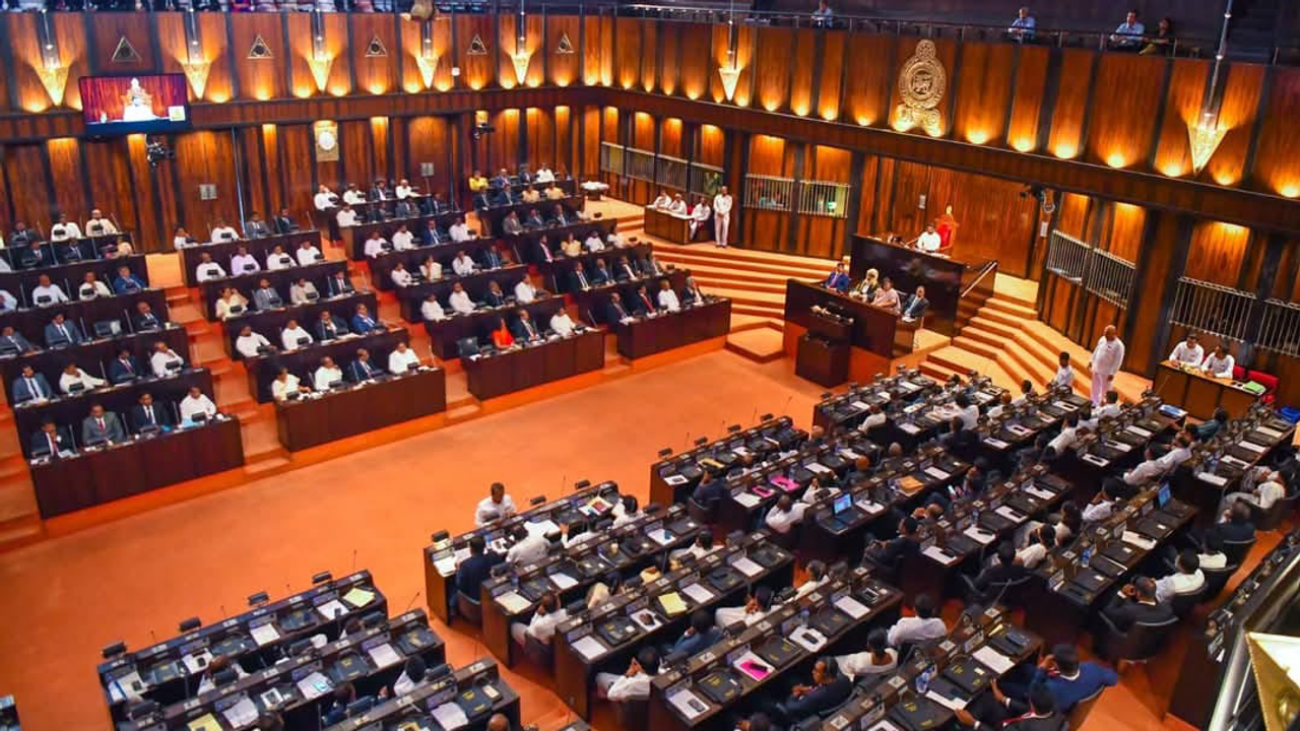
Colombo — Sri Lanka’s Parliament this week approved several key government proposals aimed at stabilising the economy, triggering strong reactions from opposition parties and mixed responses from the public.

Government decision

The government moved forward with legislation linked to economic recovery, including stricter controls on state spending, changes to welfare eligibility, and new rules for state-owned enterprises. Government leaders told Parliament these steps are necessary to reduce losses, manage public debt, and meet international financial commitments.

The Minister of Finance stated that without such reforms, the country risks returning to severe shortages, inflation, and instability similar to what people experienced during the height of the economic crisis.

Opposition reaction

Opposition parties strongly criticised the decisions, arguing that ordinary citizens are being asked to shoulder the burden of economic reform. Opposition MPs accused the government of focusing too heavily on numbers and international agreements while ignoring daily struggles faced by families.

During the debate, several opposition members staged walkouts and demanded more time for public consultation, especially on welfare reforms. They warned that reducing benefits or tightening eligibility could harm low-income households, elderly citizens, and people with disabilities.

What happened in Parliament

The debate lasted over two days, with heated exchanges between government and opposition MPs. Despite resistance, the bills were passed with a majority vote, supported by government allies. Parliamentary committees are now expected to monitor how the new policies are implemented.

How this affects the public

For ordinary Sri Lankans, these decisions will be felt in everyday life:

  • Welfare support: Some families may need to re-register or prove eligibility again to receive benefits, which could delay payments.
  • Public services: Reforms to state institutions may lead to improved efficiency over time, but could also mean staff reductions or restructuring in the short term.
  • Cost of living: The government claims tighter spending will help control inflation, while critics argue the impact may be slow and uneven.

Public reaction

Public opinion remains divided. Some citizens say tough decisions are necessary to prevent another economic collapse. Others express concern that reforms are happening too quickly, without enough support for vulnerable groups.

Social media discussions reflect frustration, with many asking for clearer communication from the government and stronger safeguards for low-income families.

What comes next

The opposition has indicated it will continue to challenge the government both inside and outside Parliament, including through committee scrutiny and public campaigns. Meanwhile, the government insists that consistent policy implementation is the only path to long-term stability.

As these political decisions unfold, their real test will be whether they improve daily life for citizens—or deepen the pressures many Sri Lankans already face.