sri lanka flood

Sri Lanka Moves to Strengthen Flood Response Ahead of Northeast Monsoon

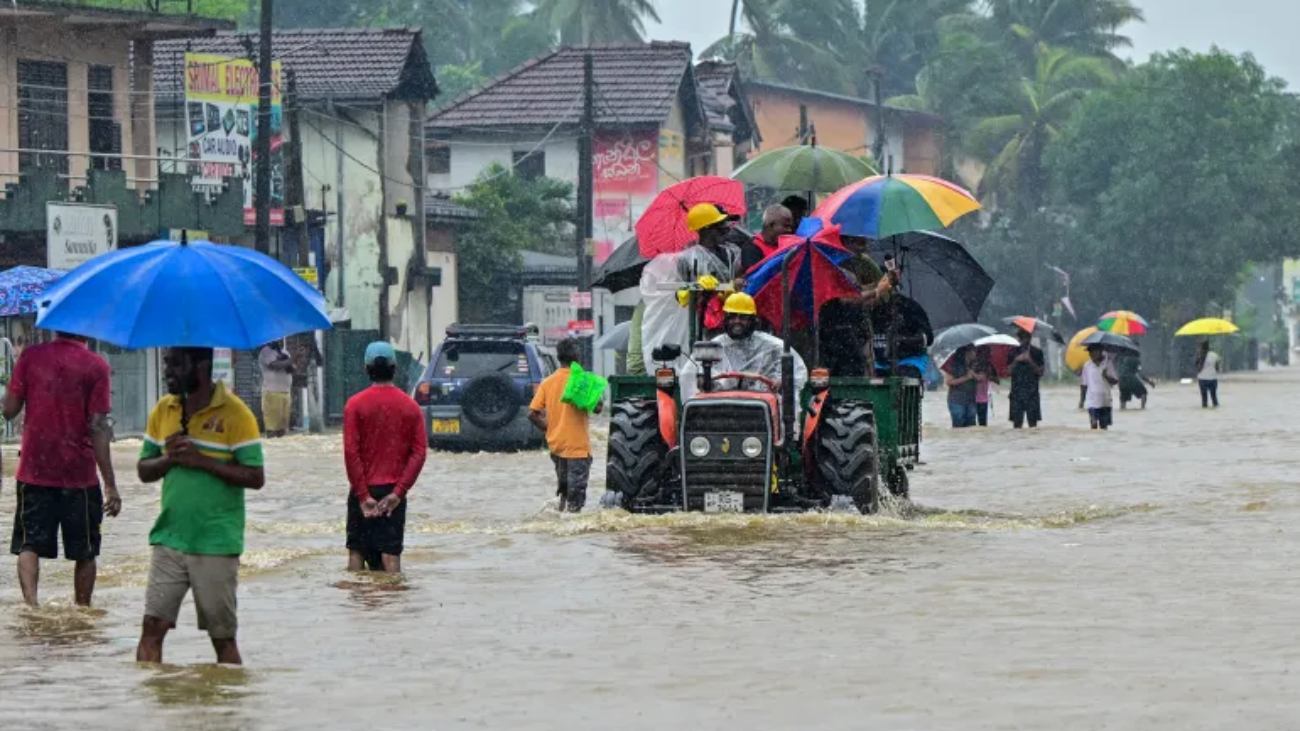
Sri Lanka’s disaster management authorities have intensified preparedness measures as the northeast monsoon continues to affect several parts of the island, raising concerns over potential flooding and landslides. Officials stated that enhanced coordination is underway among district secretariats, emergency services, and security forces to ensure a rapid response if conditions worsen.

The Disaster Management Centre confirmed that flood-prone districts in the Northern, Eastern, North Central, and Central provinces are under close monitoring. Temporary shelters have been readied in schools and community halls, while stocks of dry rations, drinking water, and essential medical supplies have been pre-positioned. The Meteorology Department has forecast intermittent heavy rainfall, warning residents in low-lying and hilly areas to remain vigilant.

Government representatives highlighted that lessons learned from previous flood events have informed current planning, focusing on faster evacuation and improved communication at the community level. Military and police units remain on standby to assist civil authorities in rescue and relief operations.

Opposition lawmakers have questioned whether preparedness efforts are sufficient, pointing to recurring losses caused by seasonal disasters. They emphasized the need for long-term investments in drainage systems, river management, and climate-resilient infrastructure to mitigate future risks.

Economists warned that repeated flood damage places added strain on public finances and disproportionately affects rural livelihoods, particularly in agriculture. Farmers expressed concern over potential crop losses if water levels continue to rise.

Authorities urged the public to follow official advisories, avoid travel in high-risk areas, and report emergencies through designated hotlines, emphasizing that public cooperation is essential to minimize loss of life and property during the monsoon season.
sri lanka parliment

Sri Lanka Parliament Debates Fuel Pricing Amid Cost-of-Living Pressures

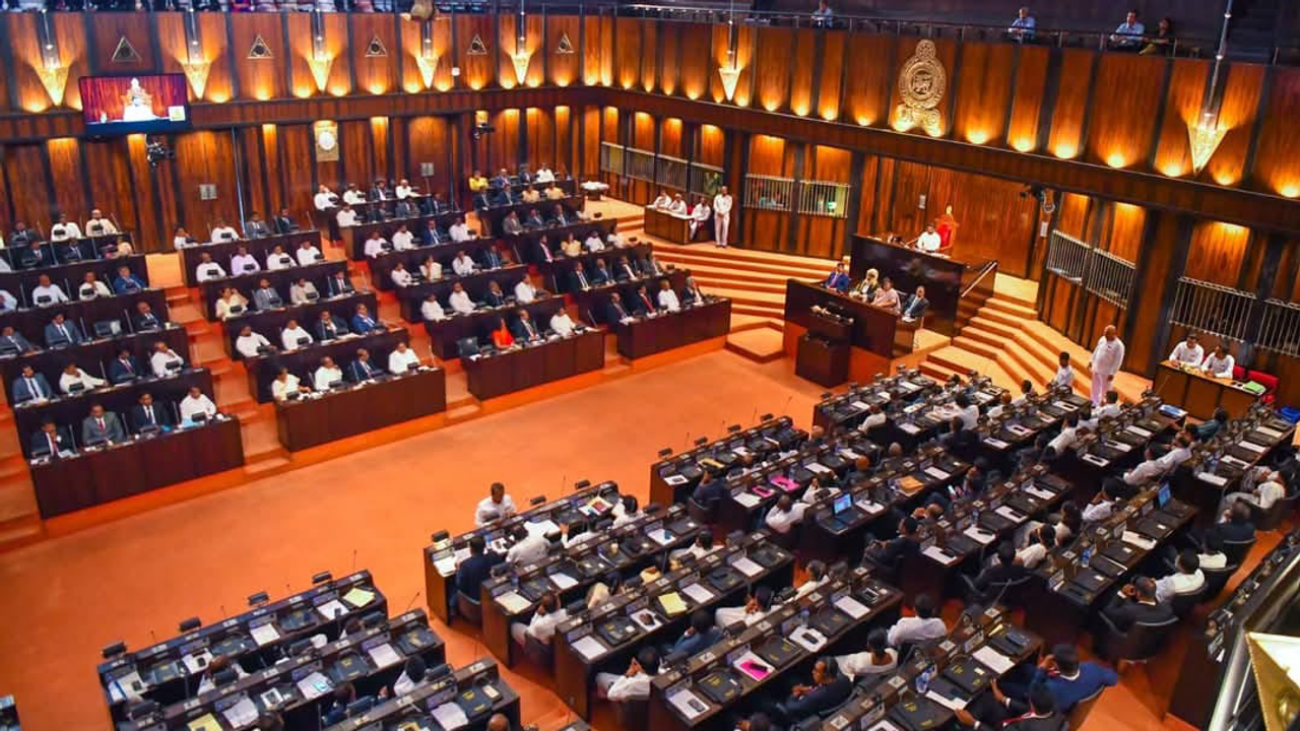
Sri Lanka’s Parliament witnessed a heated debate this week as lawmakers discussed fuel pricing policies amid persistent cost-of-living pressures affecting households and businesses. Government members defended the current fuel pricing formula, emphasizing that it is necessary to prevent further financial losses at state-owned energy institutions.

Finance officials highlighted that global oil price volatility, combined with limited foreign exchange reserves, leaves little room for broad fuel subsidies. They stressed that maintaining uninterrupted fuel supplies is critical for economic stability, transportation services, and overall market confidence.

Opposition MPs argued that frequent price revisions disproportionately impact low- and middle-income earners, calling for targeted relief measures. Suggestions included temporary concessions for public transport operators and essential service providers to ease the financial burden on commuters.

Transport unions warned that continued fuel price increases could lead to higher bus and taxi fares, directly affecting daily travel costs. Meanwhile, business chambers expressed concerns that rising fuel expenses could push up production and distribution costs, potentially slowing the country’s economic recovery.

Analysts note that while the pricing formula supports fiscal discipline, it must be complemented by social protection mechanisms to mitigate hardships for vulnerable populations. Government officials indicated plans to expand alternative energy initiatives and improve energy efficiency to reduce long-term dependence on imported fuel.

Public reaction remains mixed, with citizens urging policymakers to balance fiscal responsibility with affordability as Sri Lanka navigates ongoing economic recovery challenges.

harsha

Sri Lanka Opposition Demands Transparency in Major Infrastructure Projects

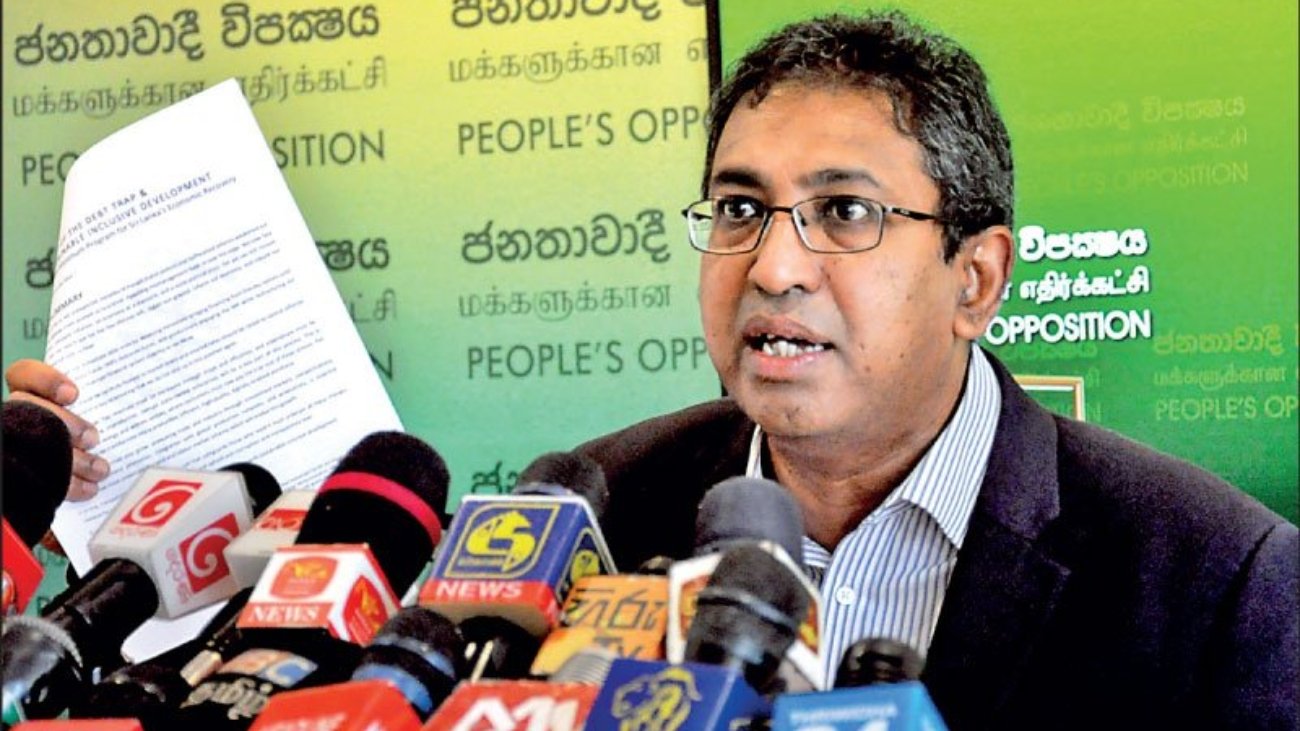
Sri Lanka’s opposition parties have renewed calls for greater transparency in major infrastructure projects, urging the government to disclose financing structures, contractual details, and progress reports. Lawmakers argue that public accountability is essential amid ongoing efforts to stabilize the economy and ensure sustainable development.

During parliamentary sessions, opposition representatives expressed concerns about long-term debt obligations, project viability, and potential fiscal risks. They called for independent oversight mechanisms and comprehensive disclosure of project terms, emphasizing that transparency would help rebuild public trust and ensure value for taxpayer money.

In response, government officials stated that existing procedures comply with national regulations and international standards. They highlighted that infrastructure development remains a critical component of economic growth, job creation, and national competitiveness. Authorities also stressed that projects are designed to support both immediate development needs and long-term strategic goals.

Policy analysts suggest that clearer communication regarding project financing, timelines, and expected outcomes could reduce public skepticism and foster more informed debate. As infrastructure continues to play a central role in Sri Lanka’s development agenda, transparency and governance are likely to remain key political issues.

Looking ahead, experts say that increased oversight and proactive disclosure could strengthen public confidence, attract investment, and support the sustainable execution of critical infrastructure projects across the country.

Sri-Lanka-tourism

Sri Lanka Tourism Shows Seasonal Recovery Signs

Sri Lanka’s tourism sector is showing modest signs of seasonal recovery, providing cautious optimism for industry stakeholders. Increased arrivals during the holiday period have offered a temporary boost to hotels, transport providers, and local businesses that rely on visitor spending.

Industry officials noted that improved connectivity, targeted marketing campaigns, and international promotions have contributed to the uptick in tourist activity. Popular destinations across the country reported higher occupancy rates and increased participation in cultural and recreational activities, reflecting a positive response from travelers.

Despite the encouraging signs, challenges remain. Global economic uncertainty, rising operating costs, and competition from other regional destinations continue to impact profitability and long-term planning for tourism operators. Officials stressed that maintaining high service quality, safety standards, and effective health protocols will be essential to sustaining the recovery momentum.

Tourism authorities are also exploring innovative strategies to diversify offerings, promote off-season travel, and attract niche markets such as eco-tourism and wellness tourism. By focusing on both domestic and international visitor engagement, Sri Lanka aims to strengthen the resilience of its tourism sector.

Looking ahead, stakeholders remain cautiously optimistic that continued investment in infrastructure, marketing, and service excellence will help Sri Lanka’s tourism industry regain stability and growth in the coming months.

Sri Lanka Cricket

Sri Lanka Cricket Board Announces Domestic Calendar Updates

Sri Lanka Cricket (SLC) has unveiled updates to its domestic tournament calendar, aiming to strengthen competition structures and promote talent development across the country. Officials emphasized that the revised schedule has been carefully designed to balance player workload with performance goals, ensuring that athletes remain competitive while minimizing fatigue.

The changes affect key domestic tournaments, including first-class, List A, and T20 competitions, with adjustments to match timings, venue allocations, and seasonal sequencing. Coaches and team management have welcomed the updates, highlighting that the revised calendar provides more opportunities for emerging players to gain experience and showcase their skills at higher levels.

SLC officials also noted that the updates are part of a broader strategy to professionalize domestic cricket and enhance pathways for players to progress to the national team. By fostering a more competitive and structured environment, the board hopes to strengthen the overall standard of Sri Lankan cricket.

Experts believe that balancing match frequency with player recovery and development will be crucial in maintaining performance levels throughout the domestic season. In addition, the updated calendar is expected to help selectors identify and nurture young talent effectively, while providing fans with a consistent schedule of quality cricket.

Looking ahead, Sri Lanka Cricket plans to monitor the impact of the new calendar closely, gathering feedback from players, coaches, and stakeholders to make further refinements. Officials said that a well-structured domestic season will be key to sustaining the growth and success of Sri Lankan cricket in the coming years.

sri lanka cinema

Sri Lankan Cinema Sees Growing Interest in Regional Markets

Sri Lankan cinema is experiencing a surge of interest in regional markets, with filmmakers and audiences increasingly looking beyond national borders. The growing popularity is being driven by participation in regional film festivals, digital distribution, and the rising accessibility of streaming platforms, which allow films to reach wider audiences quickly.

Industry observers note that Sri Lankan filmmakers are exploring opportunities for cross-border collaboration, co-productions, and cultural exchanges with neighboring countries. This trend not only broadens the creative landscape but also increases the commercial potential of Sri Lankan films.

Film festivals in South Asia and beyond have showcased Sri Lankan storytelling, attracting critical acclaim and fostering networking opportunities for local directors, producers, and actors. Meanwhile, streaming platforms have made it easier for audiences across the region to access Sri Lankan films, helping the industry gain recognition and build an international fan base.

Experts say that these developments are crucial for the long-term growth of Sri Lankan cinema, encouraging innovation, investment, and professional training within the industry. By embracing regional collaboration and digital distribution, Sri Lankan filmmakers are positioning their work for both artistic and commercial success.

Looking ahead, the industry aims to expand its presence in regional markets further, with plans for more co-productions, targeted marketing, and digital-first releases. The increased global visibility is expected to strengthen the cultural and economic footprint of Sri Lankan cinema in South Asia and beyond.

digital economy

Sri Lanka Advances Digital Government Services

Sri Lanka is accelerating its digital government initiatives as part of a broader effort to enhance efficiency, transparency, and citizen access to public services. Government officials emphasize that digitalization is a central pillar of public sector reform and is critical for modernizing administrative processes.

In recent months, several departments have launched online platforms to allow citizens to access essential services, including civil registrations, permits, tax payments, and utility management, without visiting government offices. Officials say these initiatives aim to reduce bureaucracy, shorten processing times, and improve accountability.

Digital transformation efforts are also being supported by investments in information and communications technology (ICT) infrastructure, cybersecurity enhancements, and staff training programs. Government spokespersons highlight that public-private partnerships are playing a key role in driving innovative solutions to meet citizens’ needs more effectively.

Experts note that the move toward e-government aligns Sri Lanka with global trends in digital governance and opens opportunities for improved service delivery, data-driven policymaking, and greater civic engagement. However, authorities acknowledge that challenges remain, including bridging the digital divide in rural areas and ensuring data privacy and security for all users.

Looking ahead, Sri Lanka plans to expand digital services across more sectors, enhance mobile accessibility, and integrate advanced technologies such as AI and data analytics to streamline public administration. Officials say that by embracing digital solutions, the country aims to foster a more transparent, responsive, and inclusive government.

sri lanka parliment

Parliament Approves Key Economic Bills Amid Opposition Protest

Colombo — Sri Lanka’s Parliament this week approved several key government proposals aimed at stabilising the economy, triggering strong reactions from opposition parties and mixed responses from the public.

Government decision

The government moved forward with legislation linked to economic recovery, including stricter controls on state spending, changes to welfare eligibility, and new rules for state-owned enterprises. Government leaders told Parliament these steps are necessary to reduce losses, manage public debt, and meet international financial commitments.

The Minister of Finance stated that without such reforms, the country risks returning to severe shortages, inflation, and instability similar to what people experienced during the height of the economic crisis.

Opposition reaction

Opposition parties strongly criticised the decisions, arguing that ordinary citizens are being asked to shoulder the burden of economic reform. Opposition MPs accused the government of focusing too heavily on numbers and international agreements while ignoring daily struggles faced by families.

During the debate, several opposition members staged walkouts and demanded more time for public consultation, especially on welfare reforms. They warned that reducing benefits or tightening eligibility could harm low-income households, elderly citizens, and people with disabilities.

What happened in Parliament

The debate lasted over two days, with heated exchanges between government and opposition MPs. Despite resistance, the bills were passed with a majority vote, supported by government allies. Parliamentary committees are now expected to monitor how the new policies are implemented.

How this affects the public

For ordinary Sri Lankans, these decisions will be felt in everyday life:

  • Welfare support: Some families may need to re-register or prove eligibility again to receive benefits, which could delay payments.
  • Public services: Reforms to state institutions may lead to improved efficiency over time, but could also mean staff reductions or restructuring in the short term.
  • Cost of living: The government claims tighter spending will help control inflation, while critics argue the impact may be slow and uneven.

Public reaction

Public opinion remains divided. Some citizens say tough decisions are necessary to prevent another economic collapse. Others express concern that reforms are happening too quickly, without enough support for vulnerable groups.

Social media discussions reflect frustration, with many asking for clearer communication from the government and stronger safeguards for low-income families.

What comes next

The opposition has indicated it will continue to challenge the government both inside and outside Parliament, including through committee scrutiny and public campaigns. Meanwhile, the government insists that consistent policy implementation is the only path to long-term stability.

As these political decisions unfold, their real test will be whether they improve daily life for citizens—or deepen the pressures many Sri Lankans already face.

srilanka-povertyreport2

Sri Lanka Faces Growing Youth Challenges Amid Education Strains and Rising Cost of Living

Sri Lanka is grappling with deep social challenges that affect the country’s youth, education system, and everyday living standards. Recent data show that youth unemployment has reached one of the highest levels among all age groups, contributing to frustrations among young people about their future prospects. (Hiru News)

Education Under Strain

Despite Sri Lanka’s long-standing tradition of free education, experts warn that underfunding and inequality are weakening the system. A major international report found that the government’s failure to raise enough revenue through taxes has led to chronic shortages in school funding, forcing many schools to charge parents for basic materials and services that were once free. This creates a divide between well-resourced urban schools and those in poorer or rural areas. (Human Rights Watch)

Education officials point to reforms aimed at restructuring the system, including closing very small schools and modernizing curricula—a move the government says will improve efficiency. However, critics argue that such measures fall short of solving systemic problems like teacher shortages and resource gaps. (Ceylon Today)

Expert View:
Dr. Suresh Ranasinghe, senior researcher at the Institute of Policy Studies, says, “A large portion of youth do not participate in education or vocational training, leaving them without the skills needed in today’s job market. This makes them vulnerable to unemployment or underemployment.” (ips.lk)

Youth Unemployment and Frustration

The latest labour survey shows that more than one in five young Sri Lankans (ages 15–24) are unemployed, the highest rate across age groups. Young women face even higher unemployment levels than young men, and many job seekers with higher educational qualifications cannot find suitable work. (Hiru News)

Public reactions reflect frustration about these statistics. Many youths say they feel trapped between an education system that does not guarantee jobs and a job market that demands skills they do not have. On social media, young Sri Lankans often express concerns about having to work abroad or give up career dreams due to limited opportunities at home.

Cost of Living Compounds Issues

Beyond education and jobs, the high cost of living remains a heavy burden for families and youth. Rising prices for essentials like food, transport, and school supplies mean many households struggle to afford basic needs. When families must choose between education expenses and daily living costs, children’s learning can suffer, especially in poorer communities where malnutrition is also a concern. (Nature)

Public Voices:
Parents in Colombo and other cities have shared how they have to cut back on food, transport, or school materials for their children because wages have not kept up with inflation. Many youths say they feel the pressure to earn money as soon as possible, even if it means leaving school early or taking low-paid work.

What Experts Say Should Happen Next

Social analysts stress that solving these intertwined challenges requires bold policy actions:

  • Increase government investment in education and skills training so that schools are better resourced and students graduate with marketable skills.
  • Expand job creation programs targeted at youth, especially in technology, services, and small business development.
  • Address cost of living pressures through social safety nets and targeted support for low-income families.

According to policy observers, without urgent reform, Sri Lanka risks losing a generation of young people whose potential could otherwise drive economic growth and social progress.

state-employees

Sri Lanka Moves to Digitize Public Services: What It Means for You

The Sri Lankan government has announced a major step to modernize public services by expanding its digital government policy, aimed at making everyday services faster, simpler, and more transparent for citizens.

What is the new policy?

Under this policy, key government services—such as obtaining birth certificates, renewing vehicle revenue licenses, applying for government allowances, and accessing pension-related services—will gradually move to online platforms. Citizens will be able to submit applications, upload documents, and track progress without visiting multiple government offices.

The government says this reform is part of a wider plan to reduce delays, cut unnecessary paperwork, and limit corruption in public administration.

How does this affect ordinary citizens?

Less time wasted in queues
Many Sri Lankans currently spend hours—or even days—visiting divisional secretariats and other offices. With online services, citizens can complete basic tasks from home or through mobile phones, saving time and travel costs.

Lower expenses
Travel, photocopying, and repeated visits to offices often cost money. Digital services aim to reduce these hidden expenses, especially benefiting daily wage earners and elderly citizens.

More transparency and fairness
When applications are tracked digitally, officials have less room to delay files or ask for unofficial payments. Citizens can see the status of their request and know when it will be completed.

Challenges for rural and elderly citizens
However, the policy also brings challenges. Many rural areas still lack reliable internet access, and some elderly citizens are unfamiliar with digital tools. The government has promised to maintain assistance desks at local offices and provide training to ensure no one is left behind.

What happens next?

The reform will be implemented in stages over the next year. Priority will be given to high-demand services such as identity documents, welfare payments, and vehicle-related services. The government has also stated that public feedback will be used to improve the system.

Why this matters

Public service reform directly affects daily life—from accessing welfare benefits to completing basic paperwork. If implemented properly, this digital shift could make government services more citizen-friendly, reduce frustration, and restore public trust in state institutions.

For ordinary Sri Lankans, the success of this policy will depend not just on technology, but on whether it truly makes life easier for everyone—urban and rural alike.