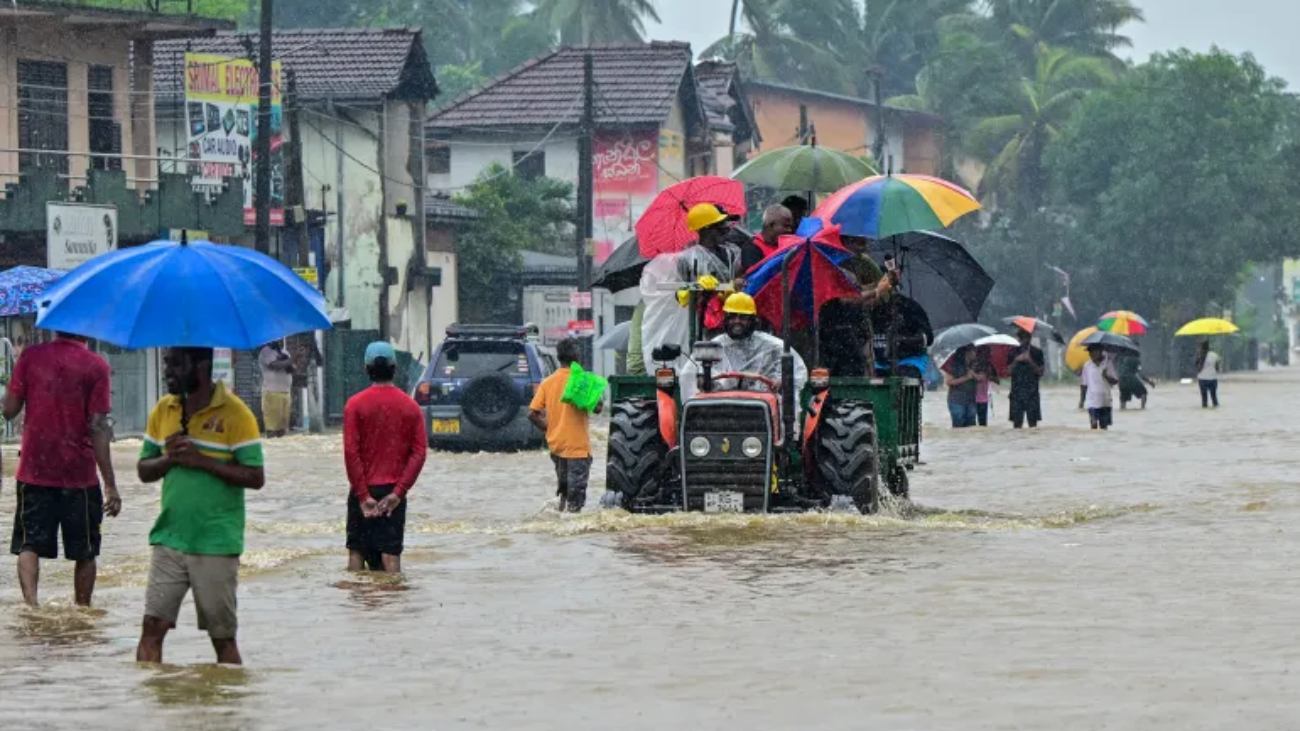
Sri Lanka’s disaster management authorities have intensified preparedness measures as the northeast monsoon continues to affect several parts of the island, raising concerns over potential flooding and landslides. Officials stated that enhanced coordination is underway among district secretariats, emergency services, and security forces to ensure a rapid response if conditions worsen.
The Disaster Management Centre confirmed that flood-prone districts in the Northern, Eastern, North Central, and Central provinces are under close monitoring. Temporary shelters have been readied in schools and community halls, while stocks of dry rations, drinking water, and essential medical supplies have been pre-positioned. The Meteorology Department has forecast intermittent heavy rainfall, warning residents in low-lying and hilly areas to remain vigilant.
Government representatives highlighted that lessons learned from previous flood events have informed current planning, focusing on faster evacuation and improved communication at the community level. Military and police units remain on standby to assist civil authorities in rescue and relief operations.
Opposition lawmakers have questioned whether preparedness efforts are sufficient, pointing to recurring losses caused by seasonal disasters. They emphasized the need for long-term investments in drainage systems, river management, and climate-resilient infrastructure to mitigate future risks.
Economists warned that repeated flood damage places added strain on public finances and disproportionately affects rural livelihoods, particularly in agriculture. Farmers expressed concern over potential crop losses if water levels continue to rise.
Authorities urged the public to follow official advisories, avoid travel in high-risk areas, and report emergencies through designated hotlines, emphasizing that public cooperation is essential to minimize loss of life and property during the monsoon season.