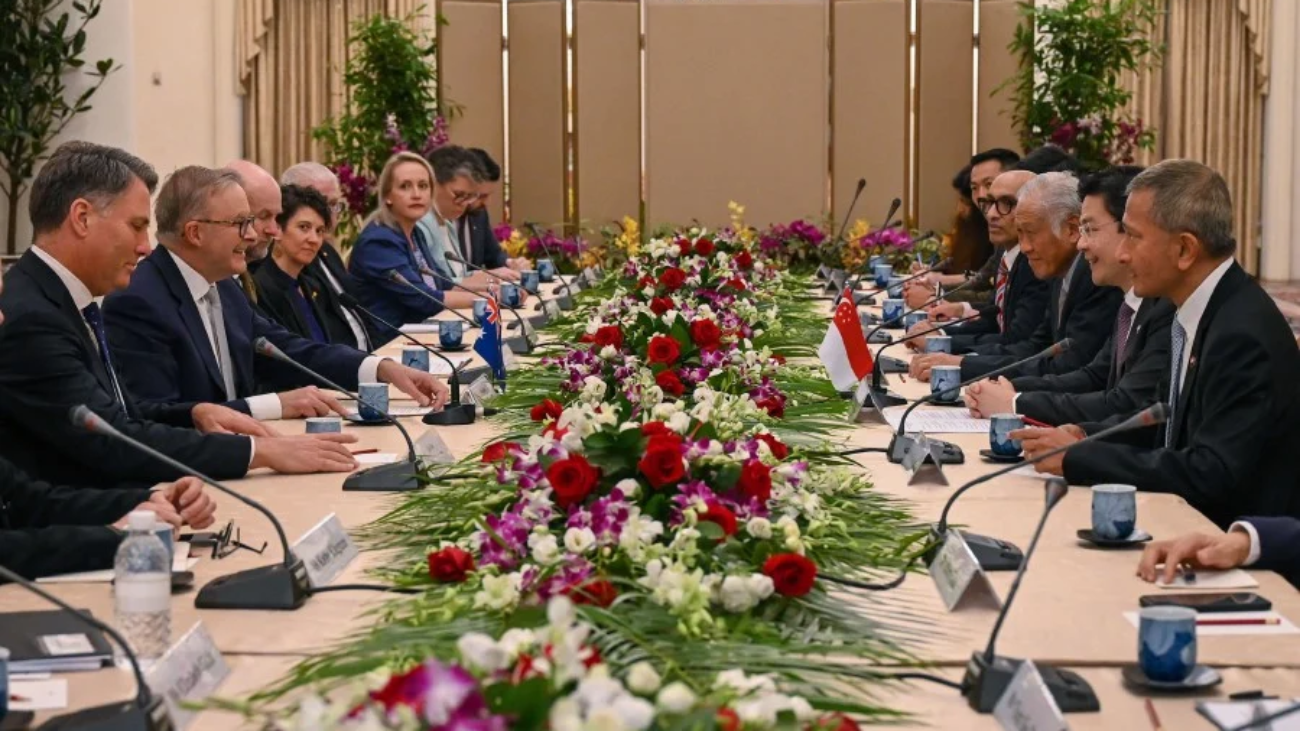
asian leaders

Asian Nations Call for Calm Amid Rising Regional Security Tensions

Several Asian governments have issued calls for calm and restraint following renewed regional security tensions, which have raised concerns across diplomatic and economic circles. Official statements from multiple capitals emphasized the importance of dialogue, peaceful engagement, and adherence to international norms to prevent further escalation.

Diplomatic sources reported that recent developments prompted urgent consultations through bilateral channels as well as regional forums. Governments stressed that miscalculations or aggressive posturing could have long-term consequences for regional stability, trade, and economic development. Analysts note that Asia’s highly interconnected economies are particularly vulnerable to prolonged security uncertainty.

Regional experts warned that rising tensions could weaken investor confidence and disrupt ongoing cooperation initiatives in areas such as trade, infrastructure, and energy security. Several countries highlighted the need to strengthen confidence-building measures and maintain open communication lines between defense and foreign ministries.

Observers also pointed out that regional institutions play a critical role in de-escalation, providing platforms for dialogue, mediation, and coordinated responses. Calls were made to utilize existing mechanisms rather than unilateral actions that could further complicate the situation.

Governments reiterated their commitment to peaceful coexistence and encouraged all parties to exercise restraint. Analysts emphasize that sustained diplomatic engagement, trust-building, and transparent communication will be essential to preserve stability and support Asia’s continued economic growth and cooperation.
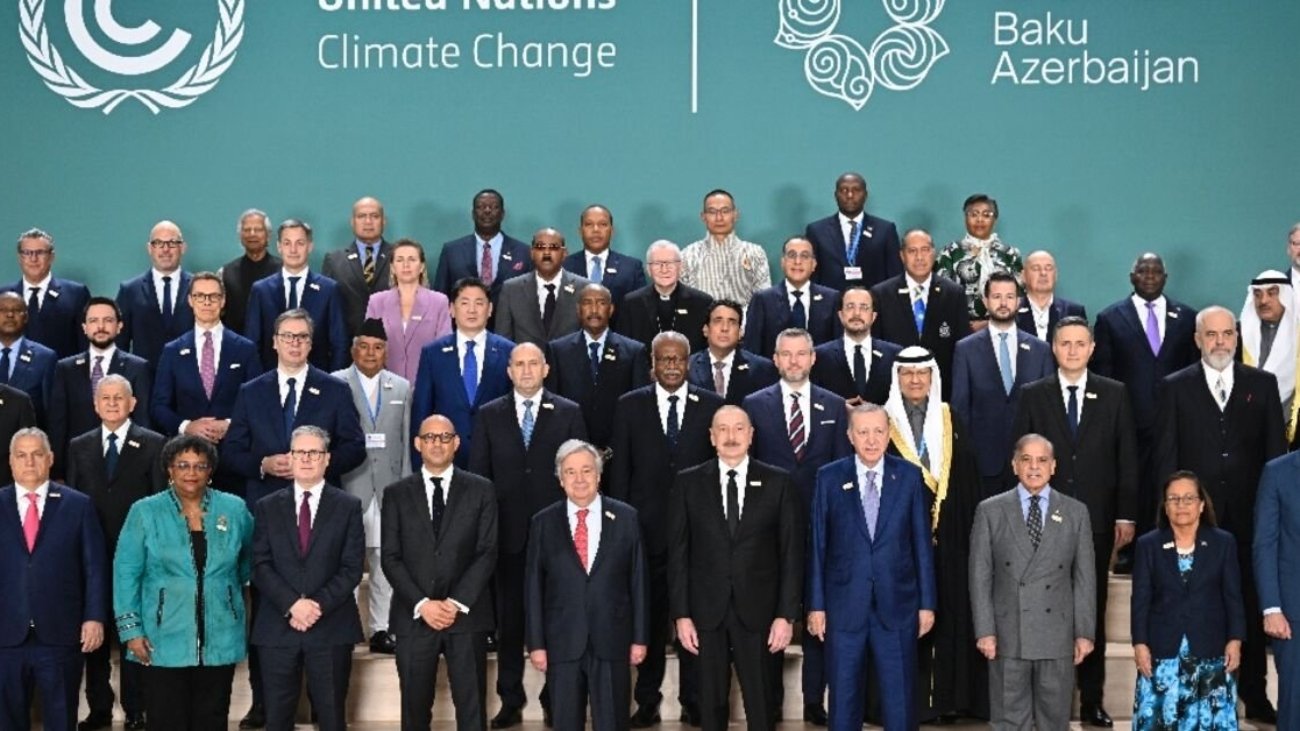

climate change

Global Leaders Reaffirm Climate Commitments Ahead of New Year

Global leaders have reaffirmed their commitment to tackling climate change as the year draws to a close, emphasizing renewed focus on emissions reduction, renewable energy expansion, and climate adaptation strategies. Statements issued ahead of the new year highlighted the urgency of coordinated international action to address environmental challenges affecting economies and communities worldwide.

Several governments pledged increased investment in clean energy technologies, including solar, wind, and green hydrogen projects. Leaders acknowledged that extreme weather events experienced across multiple regions during the year underscored the growing impact of climate change on livelihoods, infrastructure, and economic stability.

Environmental organizations welcomed the renewed commitments but urged governments to translate promises into concrete policy actions and measurable outcomes. Experts stressed that delays in implementation could undermine global efforts to achieve long-term climate targets, including those outlined in the Paris Agreement.

Developing countries emphasized the need for financial and technical support to transition toward low-carbon economies while ensuring energy security and sustainable development. Analysts note that climate financing, technology transfer, and capacity building remain critical challenges in achieving equitable and effective progress.

Looking ahead, observers say that sustained political will, accountability, and international collaboration will determine whether these climate commitments result in meaningful action. As global attention shifts toward the coming year, measurable progress on emissions reduction and renewable energy deployment will be key indicators of success.

International Markets

International Markets End Year on Cautious Note

International financial markets concluded the year on a cautious note as investors assessed inflation trends, interest rate expectations, and ongoing geopolitical developments. Trading activity remained subdued, reflecting uncertainty over the global economic outlook and cautious sentiment among market participants.

Market analysts noted that central bank policies continued to significantly influence investor behavior, with many closely monitoring signals on potential interest rate adjustments. While some economies have shown signs of easing inflationary pressures, concerns remain regarding sustainable growth momentum and broader economic stability.

Equity markets recorded mixed performances, with certain indices posting modest gains while others ended lower. Currency and commodity markets also reflected cautious positioning, as investors favored defensive sectors amid lingering uncertainties related to global demand, trade conditions, and policy direction.

Economists predict that market volatility may persist into the early months of the new year, particularly as policymakers strive to balance inflation control with economic growth support. Financial institutions have advised investors to maintain diversified portfolios and adopt a measured approach amid evolving market conditions.

Despite short-term uncertainty, analysts remain optimistic about long-term fundamentals in several regions. They note that once clarity on policy and global economic trends improves, opportunities for growth and investment may become more pronounced.

Looking ahead, investors are expected to continue closely following economic indicators, central bank communications, and geopolitical developments to navigate the complex market environment and position themselves for potential opportunities.

Global-tech-companies-and-origin

Global Tech Giants Face Renewed Regulatory Scrutiny

Global technology giants are facing renewed regulatory scrutiny as governments worldwide intensify efforts to address competition concerns, data protection, and consumer rights. Authorities argue that stronger oversight is necessary to ensure fair and transparent digital markets, particularly in sectors dominated by a few large firms.

Several jurisdictions are reviewing existing laws and proposing new regulatory frameworks aimed at curbing monopolistic practices, enhancing accountability, and protecting user data. These measures include stricter competition rules, privacy protections, and requirements for platform transparency. Technology firms have responded by emphasizing their commitment to compliance, cooperation with regulators, and proactive engagement in policy discussions.

Analysts note that clearer regulations could ultimately benefit innovation by creating more balanced market conditions and providing legal certainty for both established companies and emerging startups. However, they caution that inconsistent rules across regions could present challenges for global operations, requiring firms to adapt strategies to varying regulatory environments.

Industry experts highlight that the regulatory focus is not only on competition but also on ethical technology use, algorithmic accountability, and the safe management of personal data. Companies are expected to increase investments in compliance programs, reporting mechanisms, and cross-border coordination to meet evolving requirements.

Looking ahead, the balance between regulatory oversight and innovation will remain a critical topic for global technology companies. Authorities and industry stakeholders are likely to continue dialogue on frameworks that promote fair competition while encouraging technological growth and consumer trust.

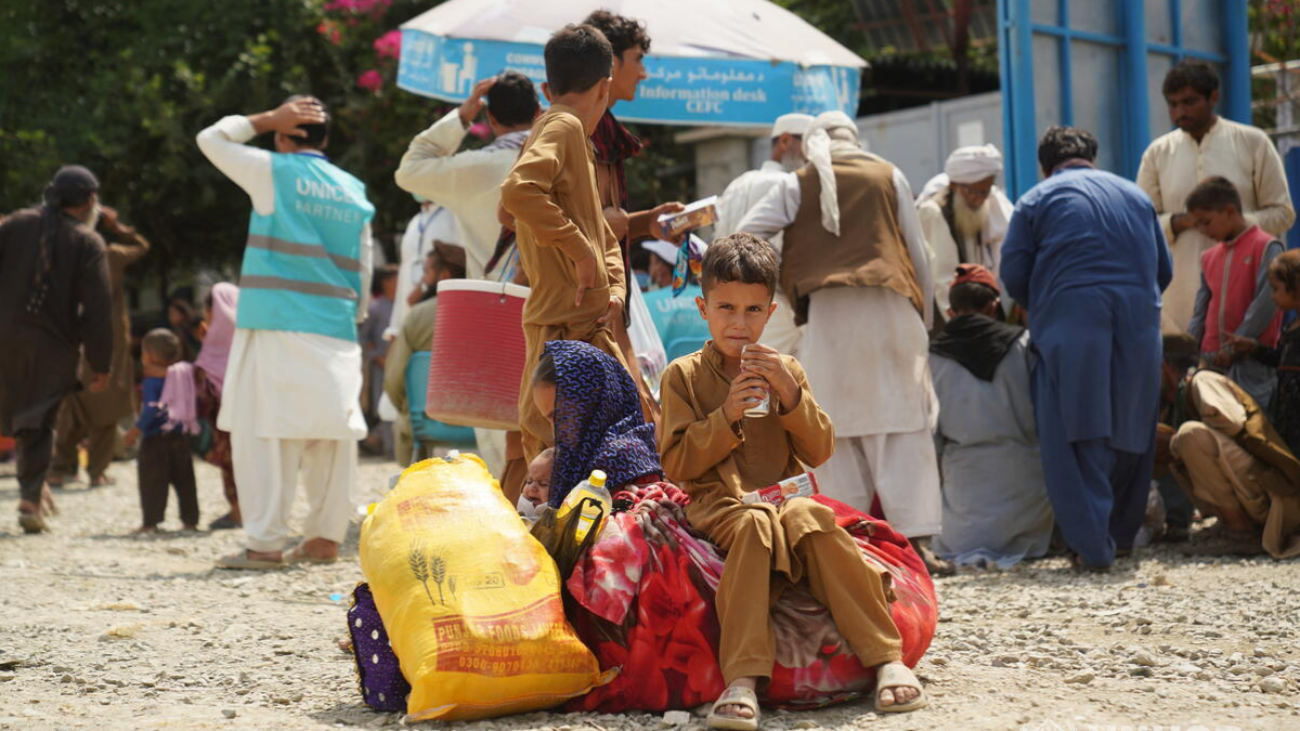
afghanistan

UN Urges Continued Humanitarian Support for Vulnerable Regions

The United Nations has called on the international community to sustain humanitarian assistance for regions affected by conflict, displacement, and climate-related disasters. Officials warned that gaps in funding and delayed aid could exacerbate the plight of millions of vulnerable people.

UN representatives highlighted that crises in multiple countries require coordinated and timely interventions to address urgent needs such as food security, shelter, healthcare, and education. Aid agencies emphasized that sustained cooperation among governments, international organizations, and non-governmental organizations is essential to prevent further deterioration of living conditions.

Recent assessments indicate that humanitarian demands continue to rise, driven by ongoing conflicts, natural disasters, and the socioeconomic impacts of climate change. Officials stressed that without adequate support, vulnerable populations risk prolonged suffering, displacement, and heightened exposure to health and safety hazards.

The UN urged donors to commit resources and maintain flexible funding mechanisms that can respond quickly to emerging crises. Aid agencies also encouraged stronger coordination, transparency, and accountability to maximize the impact of assistance programs and ensure that help reaches those most in need.

Looking ahead, international leaders and humanitarian organizations are being called upon to prioritize long-term resilience-building alongside immediate relief efforts. Officials stressed that collective responsibility and proactive engagement are critical to alleviating human suffering and promoting stability in affected regions.

olympics-4k-first-time-2021

Global Sports Bodies Emphasize Fair Play and Governance

International sports organizations are reiterating the importance of strong governance and fair play, highlighting the need for transparency, accountability, and integrity across all levels of competition. Officials have emphasized that recent reforms aim to strengthen ethical standards and ensure equitable treatment for athletes, teams, and stakeholders worldwide.

The call for enhanced governance comes amid growing scrutiny of sports institutions and an increasing demand from fans, sponsors, and governments for transparency in decision-making processes. Sports bodies are implementing measures such as independent ethics committees, stricter compliance protocols, and improved financial reporting to bolster trust and credibility.

Recent initiatives include anti-doping programs, stricter disciplinary regulations, and reforms in tournament management to ensure fairness and inclusivity. Officials stress that fostering a culture of integrity not only protects the spirit of competition but also enhances the global reputation of sports organizations.

Experts note that governance reforms are particularly crucial as sports expand globally, with more countries participating in international competitions and greater commercial interests involved. By prioritizing ethical practices, sports bodies aim to safeguard the rights of athletes, maintain competitive balance, and build sustainable systems for future generations.

Looking ahead, international organizations are expected to continue reinforcing governance frameworks, promoting fair play, and engaging with stakeholders to address emerging challenges. Officials emphasize that integrity in sports is not only a regulatory obligation but also a vital component of fan trust, sponsorship, and the long-term health of global sporting ecosystems.


hollywood

Hollywood Studios Adjust Release Strategies for Global Audiences

Hollywood studios are rethinking their film release strategies to keep pace with changing audience preferences and the rising influence of streaming services across the globe. Traditional theatrical release models are evolving as studios seek to optimize both box office revenue and digital viewership.

Industry experts note that audiences now demand greater flexibility, with many opting for streaming platforms to watch films at home. This trend has encouraged studios to experiment with simultaneous releases in cinemas and on streaming services, shorter theatrical windows, and region-specific distribution strategies.

Additionally, global markets are playing an increasingly critical role in shaping release schedules. Studios are tailoring film launches to coincide with key holidays, cultural events, and local audience interests in major territories such as Asia, Europe, and Latin America. Strategic partnerships with international streaming services and local distributors are also becoming a key factor in maximizing a film’s global reach.

The shift in release strategies reflects broader changes in the entertainment landscape, where digital platforms are influencing production decisions, marketing campaigns, and audience engagement. Studios emphasize that while the theatrical experience remains important, embracing hybrid distribution models ensures films reach wider audiences more efficiently.

Looking ahead, analysts predict that Hollywood will continue to refine release approaches, balancing traditional cinema with digital innovation to meet global demand. By adapting to audience behavior and leveraging streaming technology, studios aim to maintain both commercial success and cultural relevance in an increasingly interconnected entertainment market.

16_9_ultra_high_resolution_global_news_photograph_cinematic

Year-End Reflections Highlight Challenges and Opportunities Ahead

As the year draws to a close, analysts around the world are reflecting on the major political, economic, and social challenges that have shaped the global landscape, while also identifying opportunities for cooperation and recovery in the year ahead. The past twelve months have been marked by uncertainty, testing the resilience of nations and international institutions alike.

Ongoing conflicts, rising geopolitical tensions, and shifting power dynamics have continued to disrupt global stability. At the same time, economic pressures driven by inflation, volatile energy prices, supply chain disruptions, and financial instability have affected countries across all regions. Experts note that developing and vulnerable economies have been particularly impacted, facing increased debt pressures and rising costs of living.

Climate change has emerged as another defining challenge of the year, with extreme weather events and environmental disasters affecting millions worldwide. Analysts stress that these developments highlight deep structural weaknesses in global governance systems and the urgent need for coordinated international responses.

Despite the scale of these challenges, experts see reasons for cautious optimism. Strengthening multilateral cooperation, rebuilding trust between nations, and reforming global financial and trade institutions are widely viewed as essential steps toward long-term recovery. Policy reforms aimed at economic inclusion and stability are expected to play a central role in the year ahead.

In addition, the transition toward renewable energy, investment in climate-resilient infrastructure, and the adoption of new technologies are identified as key opportunities for sustainable growth. Analysts argue that responsible leadership, transparent governance, and constructive dialogue will be crucial in navigating global uncertainties.

Looking ahead, experts emphasize that cooperation and shared responsibility will determine whether the international community can turn current challenges into opportunities. While risks remain high, collective action and forward-looking policies may help create a more stable and resilient global future in the coming year.