harsha

Sri Lanka Opposition Demands Transparency in Major Infrastructure Projects

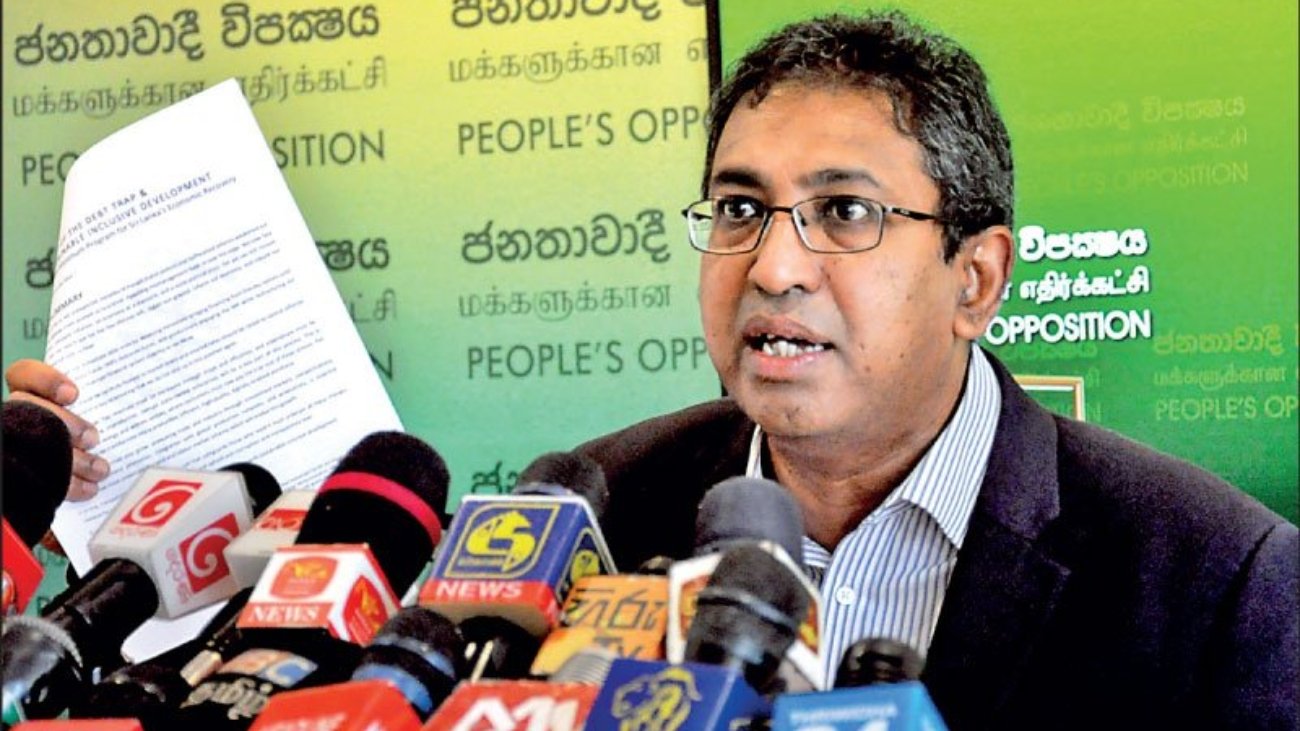
Sri Lanka’s opposition parties have renewed calls for greater transparency in major infrastructure projects, urging the government to disclose financing structures, contractual details, and progress reports. Lawmakers argue that public accountability is essential amid ongoing efforts to stabilize the economy and ensure sustainable development.

During parliamentary sessions, opposition representatives expressed concerns about long-term debt obligations, project viability, and potential fiscal risks. They called for independent oversight mechanisms and comprehensive disclosure of project terms, emphasizing that transparency would help rebuild public trust and ensure value for taxpayer money.

In response, government officials stated that existing procedures comply with national regulations and international standards. They highlighted that infrastructure development remains a critical component of economic growth, job creation, and national competitiveness. Authorities also stressed that projects are designed to support both immediate development needs and long-term strategic goals.

Policy analysts suggest that clearer communication regarding project financing, timelines, and expected outcomes could reduce public skepticism and foster more informed debate. As infrastructure continues to play a central role in Sri Lanka’s development agenda, transparency and governance are likely to remain key political issues.

Looking ahead, experts say that increased oversight and proactive disclosure could strengthen public confidence, attract investment, and support the sustainable execution of critical infrastructure projects across the country.

olympics-4k-first-time-2021

Global Sports Bodies Emphasize Fair Play and Governance

International sports organizations are reiterating the importance of strong governance and fair play, highlighting the need for transparency, accountability, and integrity across all levels of competition. Officials have emphasized that recent reforms aim to strengthen ethical standards and ensure equitable treatment for athletes, teams, and stakeholders worldwide.

The call for enhanced governance comes amid growing scrutiny of sports institutions and an increasing demand from fans, sponsors, and governments for transparency in decision-making processes. Sports bodies are implementing measures such as independent ethics committees, stricter compliance protocols, and improved financial reporting to bolster trust and credibility.

Recent initiatives include anti-doping programs, stricter disciplinary regulations, and reforms in tournament management to ensure fairness and inclusivity. Officials stress that fostering a culture of integrity not only protects the spirit of competition but also enhances the global reputation of sports organizations.

Experts note that governance reforms are particularly crucial as sports expand globally, with more countries participating in international competitions and greater commercial interests involved. By prioritizing ethical practices, sports bodies aim to safeguard the rights of athletes, maintain competitive balance, and build sustainable systems for future generations.

Looking ahead, international organizations are expected to continue reinforcing governance frameworks, promoting fair play, and engaging with stakeholders to address emerging challenges. Officials emphasize that integrity in sports is not only a regulatory obligation but also a vital component of fan trust, sponsorship, and the long-term health of global sporting ecosystems.