asian tec

Asian Tech Firms Accelerate AI Adoption

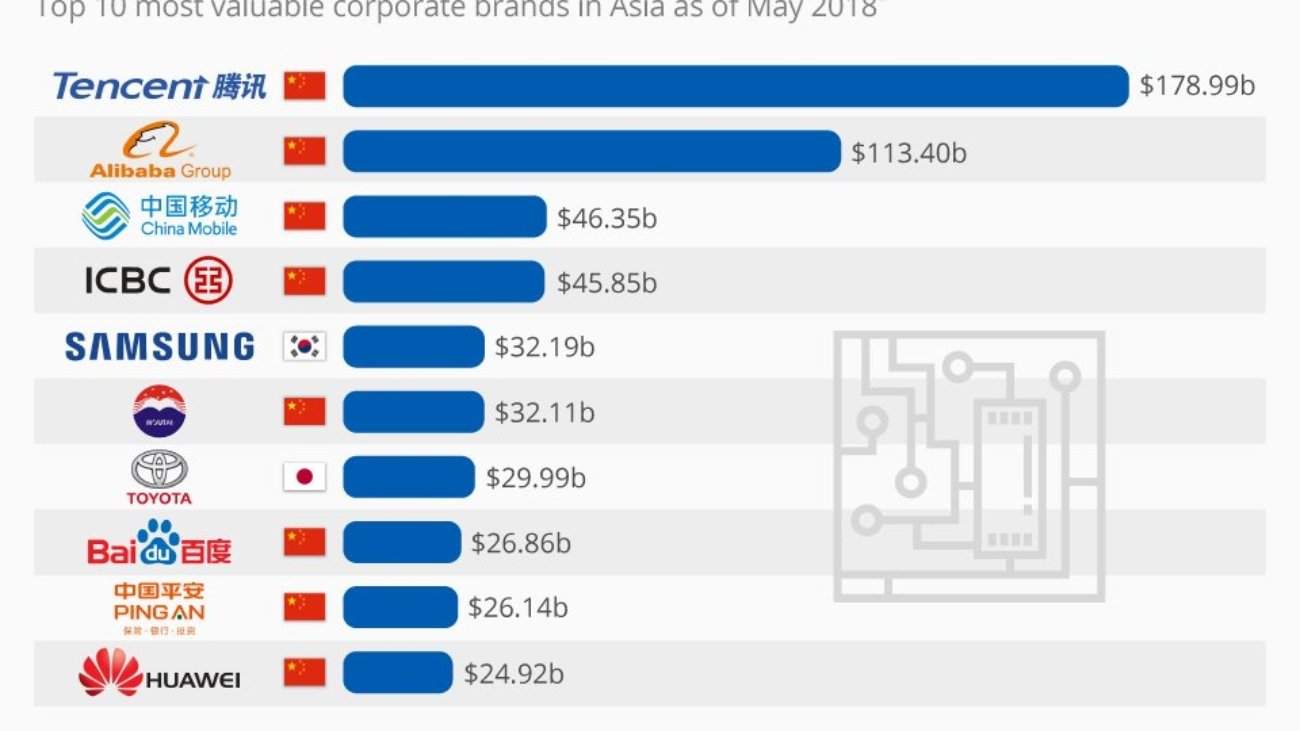
Technology companies across Asia are rapidly accelerating the adoption of artificial intelligence (AI) as part of broader digital transformation strategies. Industry leaders emphasize that AI integration is increasingly essential for improving operational efficiency, competitiveness, and customer engagement across diverse sectors.

Finance, healthcare, manufacturing, and logistics are among the fastest adopters of AI, using advanced tools for data analysis, process automation, predictive modeling, and personalized services. In addition, governments in several countries have introduced supportive policies aimed at encouraging innovation while addressing ethical considerations, such as data privacy, algorithmic transparency, and responsible AI deployment.

Experts caution that workforce skills development will be crucial to fully realize the potential of AI. Investment in education, professional training, and upskilling initiatives is expected to play a key role in ensuring inclusive growth and enabling employees to adapt to evolving technological demands.

Industry analysts predict that as AI adoption expands, it will significantly reshape Asia’s economic landscape over the coming decade. From streamlining industrial processes to transforming financial services and healthcare delivery, AI is expected to drive productivity gains, enhance competitiveness, and create new business opportunities across the region.

Looking forward, successful integration of AI technologies will depend on collaboration between governments, industry leaders, and educational institutions. Experts highlight that combining innovation with ethical and inclusive practices will be critical to sustainable growth in Asia’s AI-driven economy.

digital economy

Sri Lanka Advances Digital Government Services

Sri Lanka is accelerating its digital government initiatives as part of a broader effort to enhance efficiency, transparency, and citizen access to public services. Government officials emphasize that digitalization is a central pillar of public sector reform and is critical for modernizing administrative processes.

In recent months, several departments have launched online platforms to allow citizens to access essential services, including civil registrations, permits, tax payments, and utility management, without visiting government offices. Officials say these initiatives aim to reduce bureaucracy, shorten processing times, and improve accountability.

Digital transformation efforts are also being supported by investments in information and communications technology (ICT) infrastructure, cybersecurity enhancements, and staff training programs. Government spokespersons highlight that public-private partnerships are playing a key role in driving innovative solutions to meet citizens’ needs more effectively.

Experts note that the move toward e-government aligns Sri Lanka with global trends in digital governance and opens opportunities for improved service delivery, data-driven policymaking, and greater civic engagement. However, authorities acknowledge that challenges remain, including bridging the digital divide in rural areas and ensuring data privacy and security for all users.

Looking ahead, Sri Lanka plans to expand digital services across more sectors, enhance mobile accessibility, and integrate advanced technologies such as AI and data analytics to streamline public administration. Officials say that by embracing digital solutions, the country aims to foster a more transparent, responsive, and inclusive government.