Colombo — Sri Lanka’s Parliament this week approved several key government proposals aimed at stabilising the economy, triggering strong reactions from opposition parties and mixed responses from the public.
Government decision
The government moved forward with legislation linked to economic recovery, including stricter controls on state spending, changes to welfare eligibility, and new rules for state-owned enterprises. Government leaders told Parliament these steps are necessary to reduce losses, manage public debt, and meet international financial commitments.
The Minister of Finance stated that without such reforms, the country risks returning to severe shortages, inflation, and instability similar to what people experienced during the height of the economic crisis.
Opposition reaction
Opposition parties strongly criticised the decisions, arguing that ordinary citizens are being asked to shoulder the burden of economic reform. Opposition MPs accused the government of focusing too heavily on numbers and international agreements while ignoring daily struggles faced by families.
During the debate, several opposition members staged walkouts and demanded more time for public consultation, especially on welfare reforms. They warned that reducing benefits or tightening eligibility could harm low-income households, elderly citizens, and people with disabilities.
What happened in Parliament
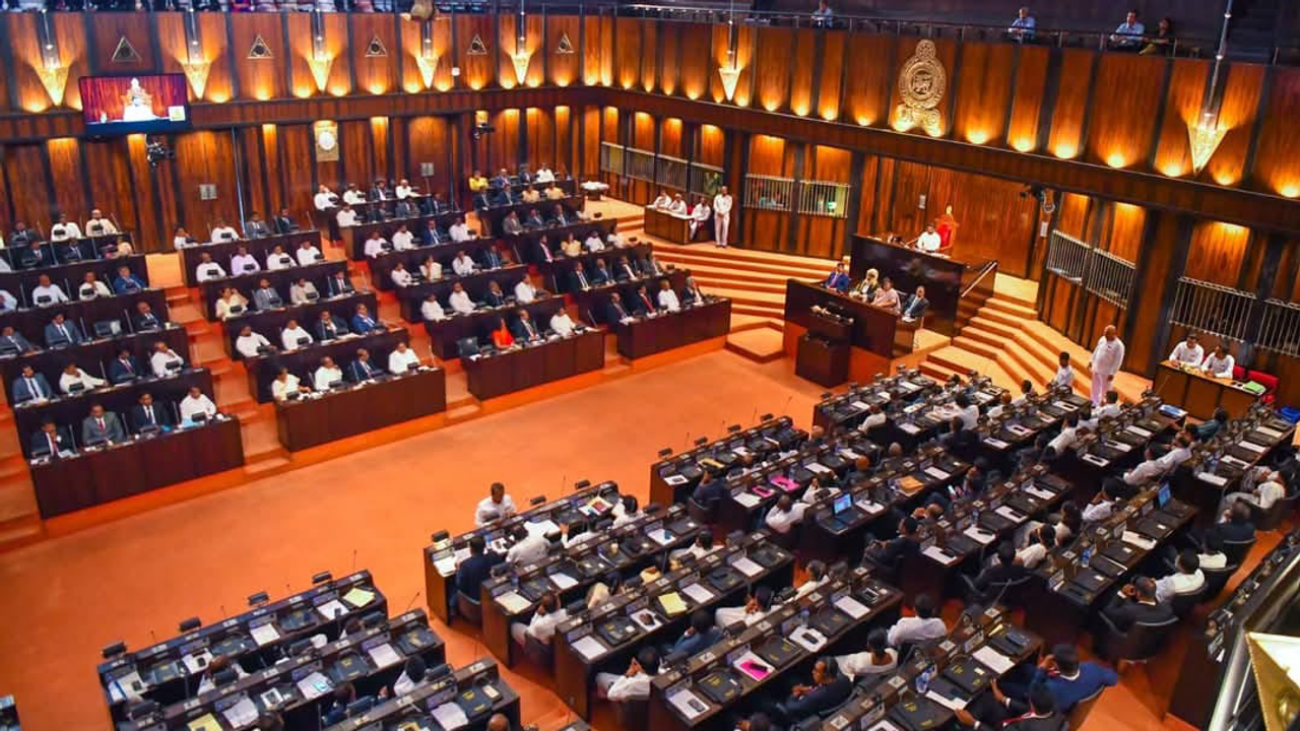
The debate lasted over two days, with heated exchanges between government and opposition MPs. Despite resistance, the bills were passed with a majority vote, supported by government allies. Parliamentary committees are now expected to monitor how the new policies are implemented.
How this affects the public
For ordinary Sri Lankans, these decisions will be felt in everyday life:
- Welfare support: Some families may need to re-register or prove eligibility again to receive benefits, which could delay payments.
- Public services: Reforms to state institutions may lead to improved efficiency over time, but could also mean staff reductions or restructuring in the short term.
- Cost of living: The government claims tighter spending will help control inflation, while critics argue the impact may be slow and uneven.
Public reaction
Public opinion remains divided. Some citizens say tough decisions are necessary to prevent another economic collapse. Others express concern that reforms are happening too quickly, without enough support for vulnerable groups.
Social media discussions reflect frustration, with many asking for clearer communication from the government and stronger safeguards for low-income families.
What comes next
The opposition has indicated it will continue to challenge the government both inside and outside Parliament, including through committee scrutiny and public campaigns. Meanwhile, the government insists that consistent policy implementation is the only path to long-term stability.
As these political decisions unfold, their real test will be whether they improve daily life for citizens—or deepen the pressures many Sri Lankans already face.