591417690_4019066971582323_9101923509153789100_n

Sri Lanka’s Shortcomings in Disaster Management and the Way Forward

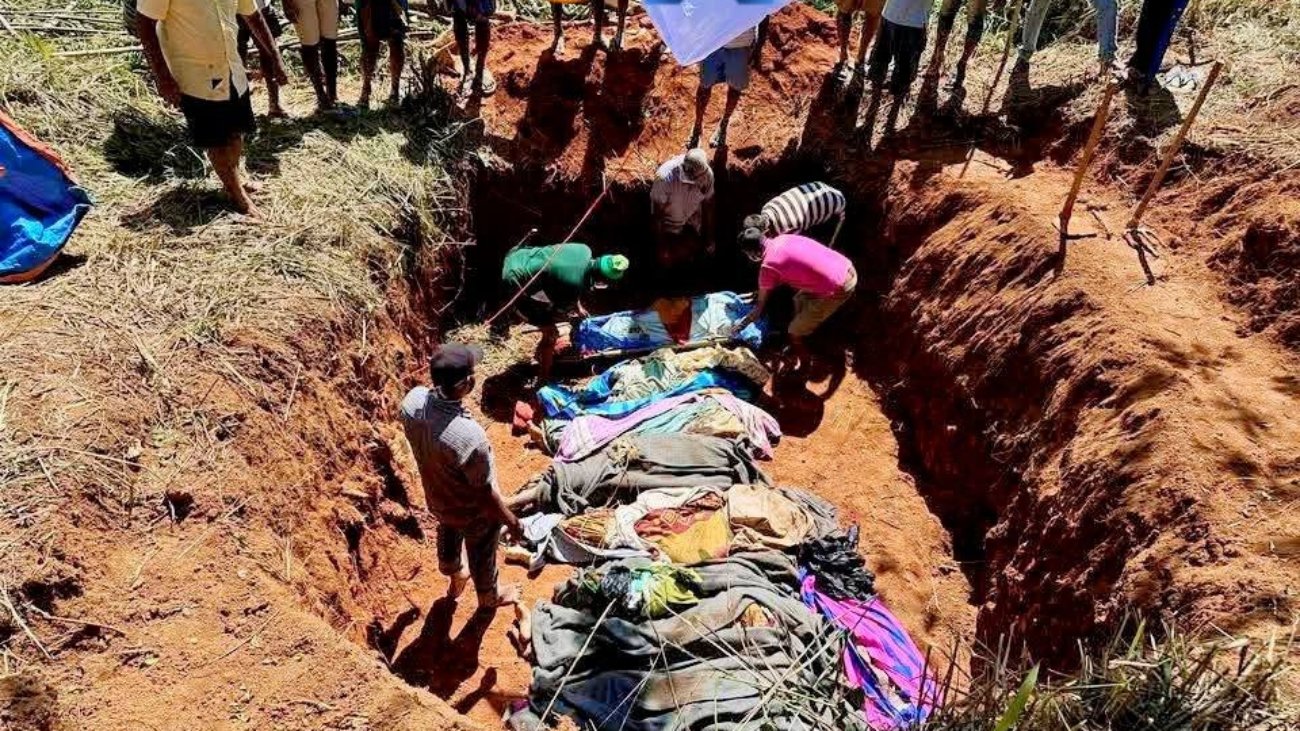
Sri Lanka has faced multiple natural disasters in recent years, including floods, cyclones, fires, and landslides. Unfortunately, during these events, gaps in political, economic, and community-level disaster management have magnified the suffering experienced by citizens.

Critical aspects such as preparedness, proactive planning, and effective coordination were insufficient, reducing the country’s ability to respond efficiently. Disruptions in transportation, hospitals, electricity, and water supply during disasters have placed enormous hardships on affected communities.

This failure has been evident during recent floods and cyclones, where residents were forced to evacuate their homes but faced limited access to safe routes, temporary shelters, and basic relief supplies.

Looking forward, Sri Lanka must fully utilize available resources, authority, and public engagement to implement comprehensive disaster management. Long-term investments in drainage systems, river and watershed management, resilient infrastructure, and effective internal communication networks are essential to prepare for future crises.

Collaboration between government agencies, economic institutions, and community organizations is crucial to safeguard public safety and maintain economic stability. Learning from past failures and coordinating actions with citizens is a fundamental step in minimizing loss of life and property during disasters.

Conclusion: Sri Lanka’s priority should be learning from past shortcomings, implementing proactive planning, and taking efficient action to protect its population from future natural disasters.
sri lanka flood

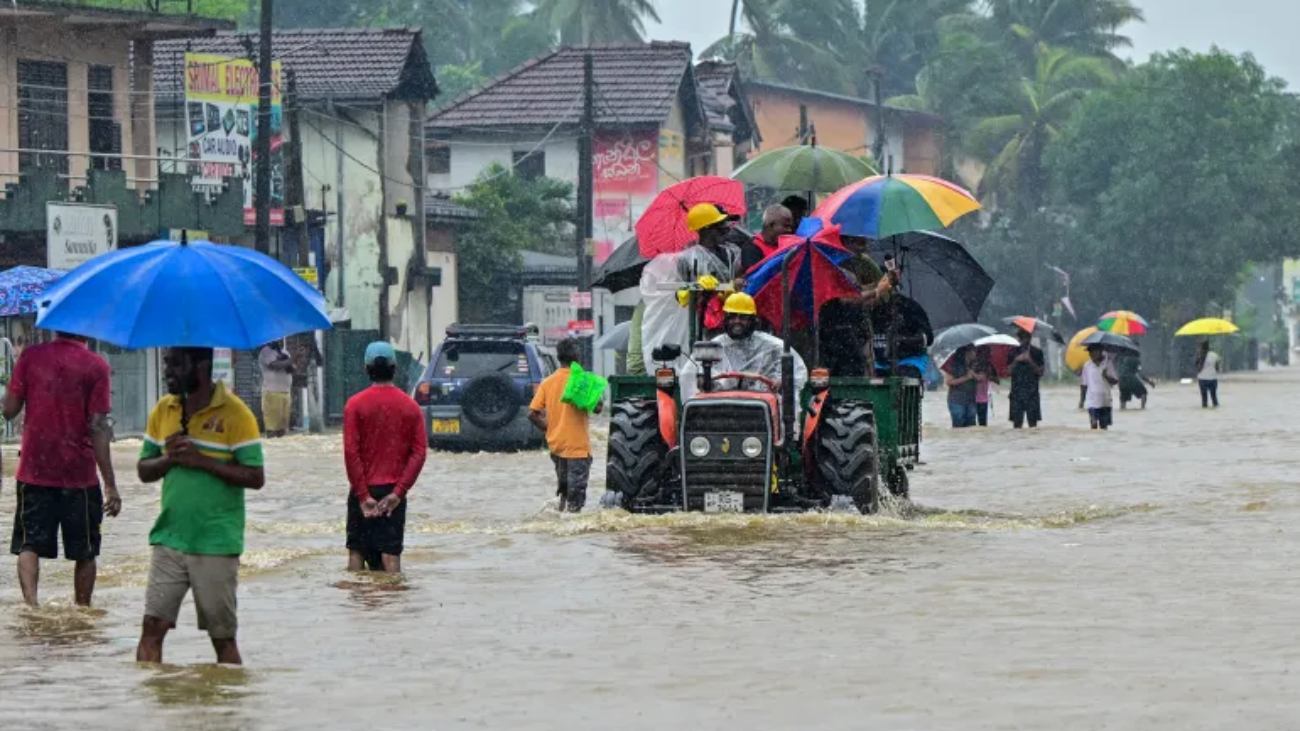
Sri Lanka Moves to Strengthen Flood Response Ahead of Northeast Monsoon

Sri Lanka’s disaster management authorities have intensified preparedness measures as the northeast monsoon continues to affect several parts of the island, raising concerns over potential flooding and landslides. Officials stated that enhanced coordination is underway among district secretariats, emergency services, and security forces to ensure a rapid response if conditions worsen.

The Disaster Management Centre confirmed that flood-prone districts in the Northern, Eastern, North Central, and Central provinces are under close monitoring. Temporary shelters have been readied in schools and community halls, while stocks of dry rations, drinking water, and essential medical supplies have been pre-positioned. The Meteorology Department has forecast intermittent heavy rainfall, warning residents in low-lying and hilly areas to remain vigilant.

Government representatives highlighted that lessons learned from previous flood events have informed current planning, focusing on faster evacuation and improved communication at the community level. Military and police units remain on standby to assist civil authorities in rescue and relief operations.

Opposition lawmakers have questioned whether preparedness efforts are sufficient, pointing to recurring losses caused by seasonal disasters. They emphasized the need for long-term investments in drainage systems, river management, and climate-resilient infrastructure to mitigate future risks.

Economists warned that repeated flood damage places added strain on public finances and disproportionately affects rural livelihoods, particularly in agriculture. Farmers expressed concern over potential crop losses if water levels continue to rise.

Authorities urged the public to follow official advisories, avoid travel in high-risk areas, and report emergencies through designated hotlines, emphasizing that public cooperation is essential to minimize loss of life and property during the monsoon season.