591417690_4019066971582323_9101923509153789100_n

Sri Lanka’s Shortcomings in Disaster Management and the Way Forward

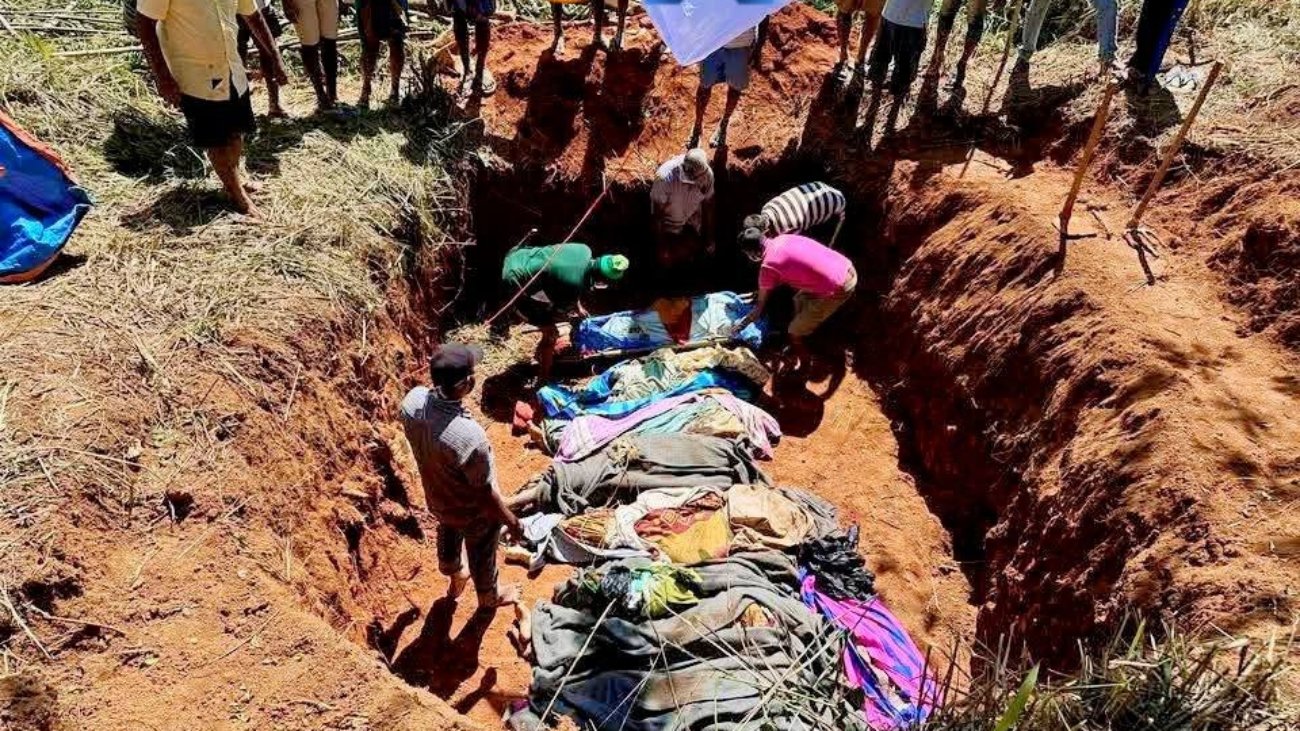
Sri Lanka has faced multiple natural disasters in recent years, including floods, cyclones, fires, and landslides. Unfortunately, during these events, gaps in political, economic, and community-level disaster management have magnified the suffering experienced by citizens.

Critical aspects such as preparedness, proactive planning, and effective coordination were insufficient, reducing the country’s ability to respond efficiently. Disruptions in transportation, hospitals, electricity, and water supply during disasters have placed enormous hardships on affected communities.

This failure has been evident during recent floods and cyclones, where residents were forced to evacuate their homes but faced limited access to safe routes, temporary shelters, and basic relief supplies.

Looking forward, Sri Lanka must fully utilize available resources, authority, and public engagement to implement comprehensive disaster management. Long-term investments in drainage systems, river and watershed management, resilient infrastructure, and effective internal communication networks are essential to prepare for future crises.

Collaboration between government agencies, economic institutions, and community organizations is crucial to safeguard public safety and maintain economic stability. Learning from past failures and coordinating actions with citizens is a fundamental step in minimizing loss of life and property during disasters.

Conclusion: Sri Lanka’s priority should be learning from past shortcomings, implementing proactive planning, and taking efficient action to protect its population from future natural disasters.
harsha

Sri Lanka Opposition Demands Transparency in Major Infrastructure Projects

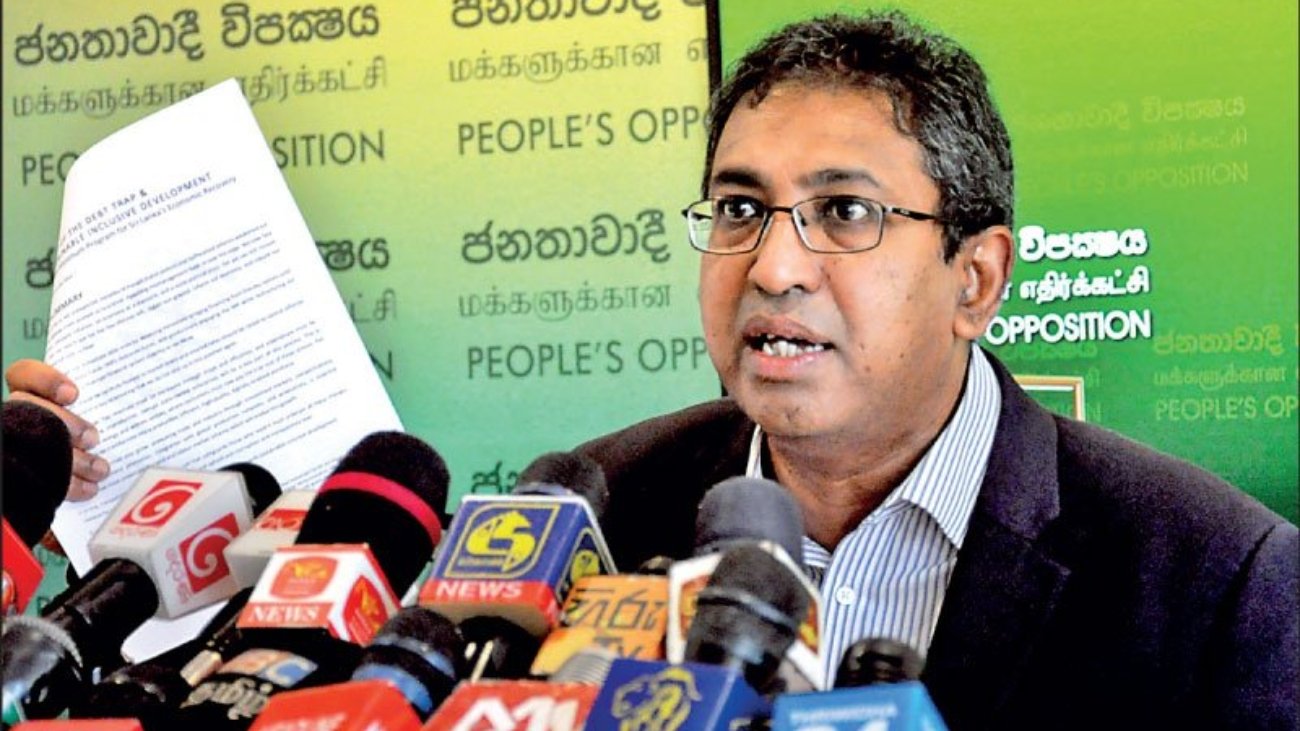
Sri Lanka’s opposition parties have renewed calls for greater transparency in major infrastructure projects, urging the government to disclose financing structures, contractual details, and progress reports. Lawmakers argue that public accountability is essential amid ongoing efforts to stabilize the economy and ensure sustainable development.

During parliamentary sessions, opposition representatives expressed concerns about long-term debt obligations, project viability, and potential fiscal risks. They called for independent oversight mechanisms and comprehensive disclosure of project terms, emphasizing that transparency would help rebuild public trust and ensure value for taxpayer money.

In response, government officials stated that existing procedures comply with national regulations and international standards. They highlighted that infrastructure development remains a critical component of economic growth, job creation, and national competitiveness. Authorities also stressed that projects are designed to support both immediate development needs and long-term strategic goals.

Policy analysts suggest that clearer communication regarding project financing, timelines, and expected outcomes could reduce public skepticism and foster more informed debate. As infrastructure continues to play a central role in Sri Lanka’s development agenda, transparency and governance are likely to remain key political issues.

Looking ahead, experts say that increased oversight and proactive disclosure could strengthen public confidence, attract investment, and support the sustainable execution of critical infrastructure projects across the country.